It’s a pre-internet age and characters are using payphones to make sales calls.
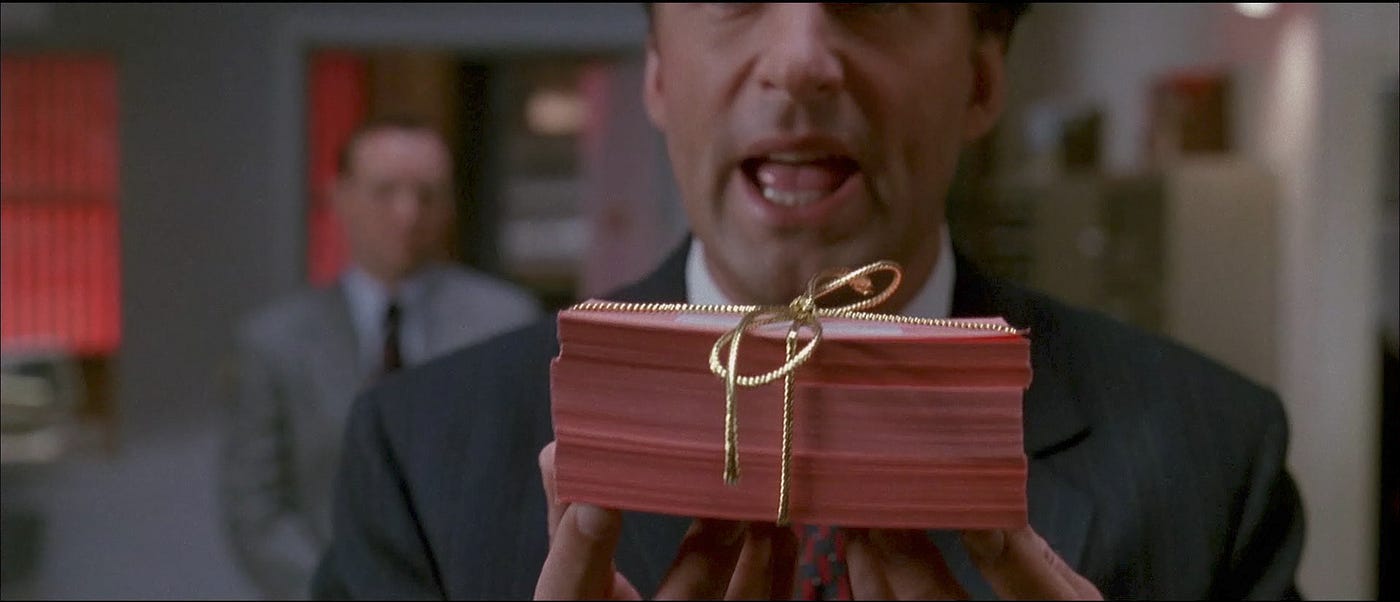
Maybe it’s a metaphor for the ol’ ‘American Dream’ and its fallacies. But it’s mainly just a quote-fest with depressed, desperate lads crumbling. Memorable dialogue is heavy, exchanges that keep you engrossed. It doesn’t matter that the directorial style is a non-thing as it’s the filming of a play.
Paul Verhoeven excelled at satirical splatter. Then he made Black Book (2006) and it was a sort of solemn drama and departure from corporate critique, and very good despite the absence of jokes.
Arnie is incredible in this. For a good decade he could do no wrong, the best of the hulking beasts.
Intriguing premise slides into tedium. The posters are good and the images make decent copy, but it’s not much of a film.
It gets lost in its own ‘quirkiness’, as tiresome as its protagonist must be to his teachers, and I was bored shitless for the last 45 minutes. It relies on its soundtrack to the detriment of anything approaching character development, the repetition of the scenes a right nuisance. It’s a short movie at the most.
Brian Cox is in it and it briefly livens up the show when he is on-screen. But he doesn’t stop it from being pish. I liked this once but clearly there was something wrong with me.
What a title for a movie and this is what caught my flagging attention when sieving through the shambolic content we have for streaming. The crap littering the landscape is rather outrageous and this needs to stop.
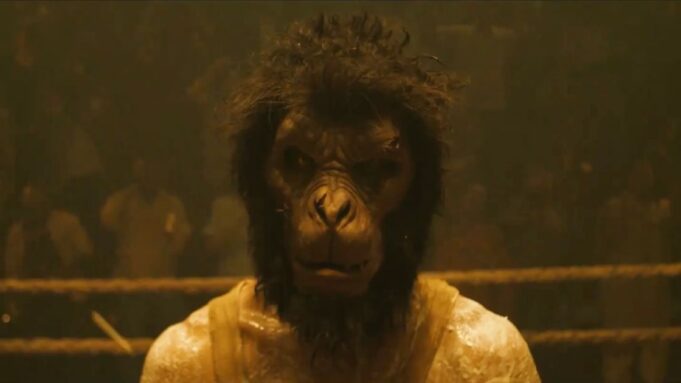
I was dubious Monkey Man (2024) would be any good – but then one, that is I, never approaches a movie with an open mind and I refuse to watch a film if the poster insults me.
A rags-to-relative-riches yarn, our resourceful hero surmounts the shackles of social stratification (accidental alliteration) by using his primary skill: the fact that he’s lethal, a Jason Bourne type … donning a monkey mask. The action is hair-raising stuff; seldom has brutal hand-to-hand scrappage looked so soothing, if you’re into that kind of thing. The movie has a heart, though. Our lad loses the mask – the beatings he takes imbued with elements of latent masochism – and becomes all he can be.
Why was this not rubbish? Why is it a decent movie with genuine scares? A script and crew working in tandem, I guess, and I’m not ashamed to announce that I did indeed shit my pants on several occasions.
I have just been informed that the actor Miguel Ferrer was not only George Clooney’s cousin but the son of the impeccably svelte José Ferrer, whom many of you will know as the Turkish Bey from Lawrence of Arabia (1962).
Every day is a school day and all that.
And Miguel was a top presence, a villainous aura fit for any drama, though he was also in a lot of dirge.
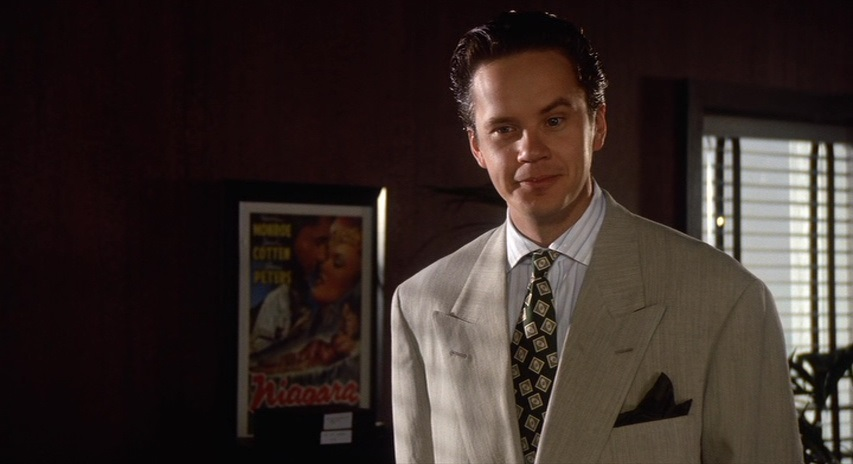
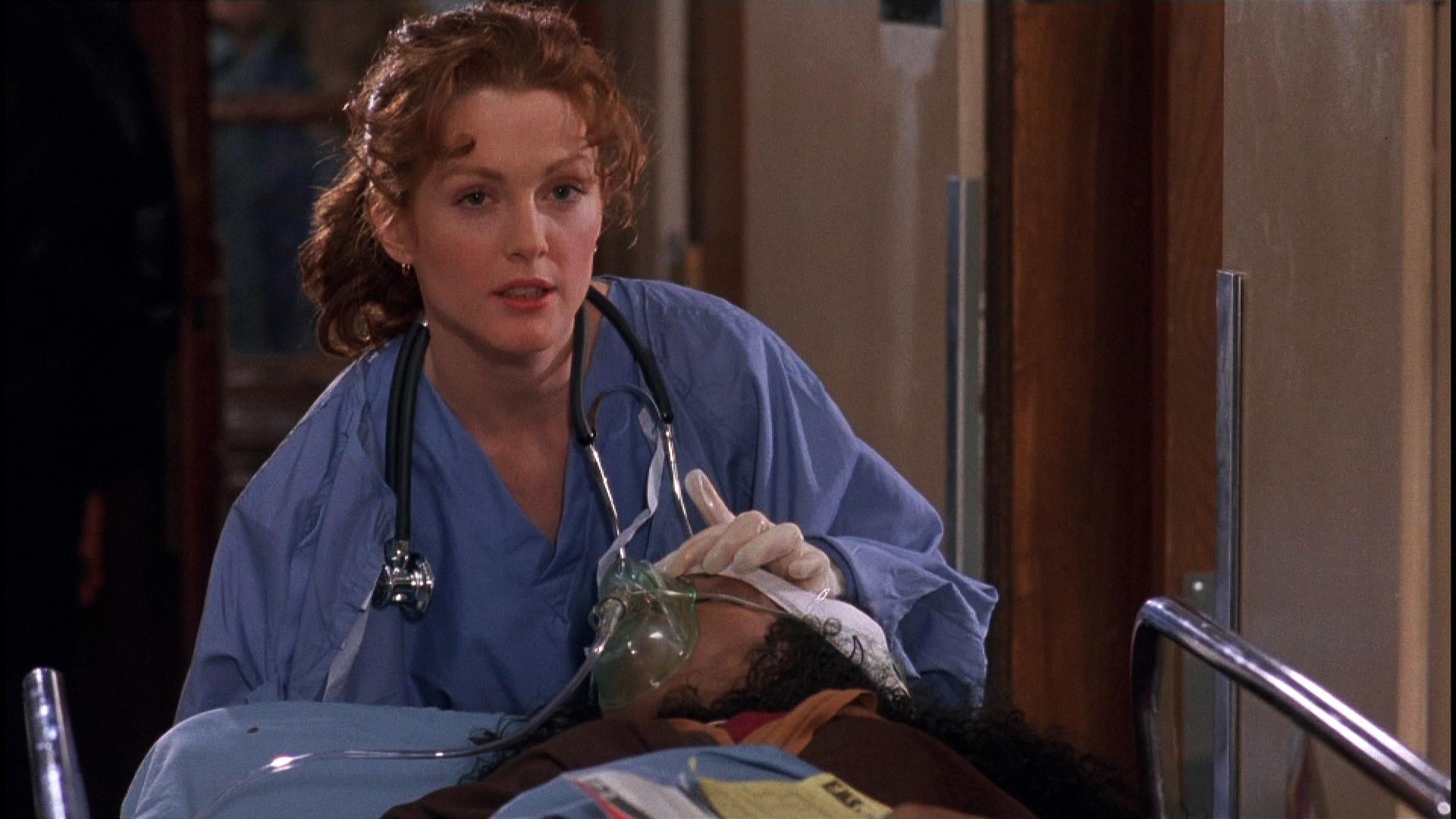
The master of the slow zoom and the overlapping conversation, frequently several happening at once, Robert Altman’s very amusing, freewheeling thriller is half satire, a director taking the absolute piss and slandering his own environment.
It’s peerless entertainment and one of his most enduring works.
I’m always dubious when it comes to horror as there is so much detritus a mere click away; this genre is uniquely positioned to beat a successful premise to death, a running theme for all of celluloid and beyond.
This shocked me (horror!) by not being shit. It was disconcerting from the very start, an expert lesson in how to develop a creepy atmosphere and build chills. The director evidently studied the winning tropes of modern horror and all the usual pitfalls were avoided, as there are genuinely terrifying moments.
Cinemas are suited for fare like this, not a laptop screen smaller than a squirrel. I can only apologise.