An attempt to watch Gotti (1996) reminded of what I hate about ex-mobsters, or ones on the margins of that world, who segue to ‘acting’. They cannot act a lick and it’s embarrassing to watch.
This has Big Pussy and Paulie Walnuts in it and their mere presence had me reaching for the remote. Uncle Junior even appears; The Sopranos survived despite this.
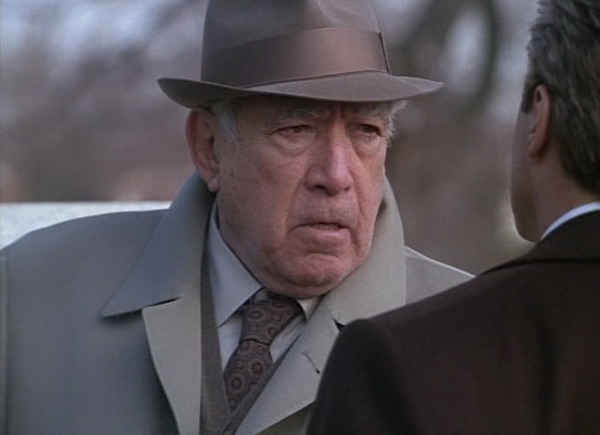
Then Anthony Quinn reels off one of his worst performances, which defines the last 20 years of his career.
It’s less clunky, and not as downright annoying as Clones. Visually, it’s a joy to behold and Ian McDiarmid is having a laugh. But it’s bereft of invention, laughs, and those operatic and iconic moments that elevated the original trilogy above its matinee inspirations.
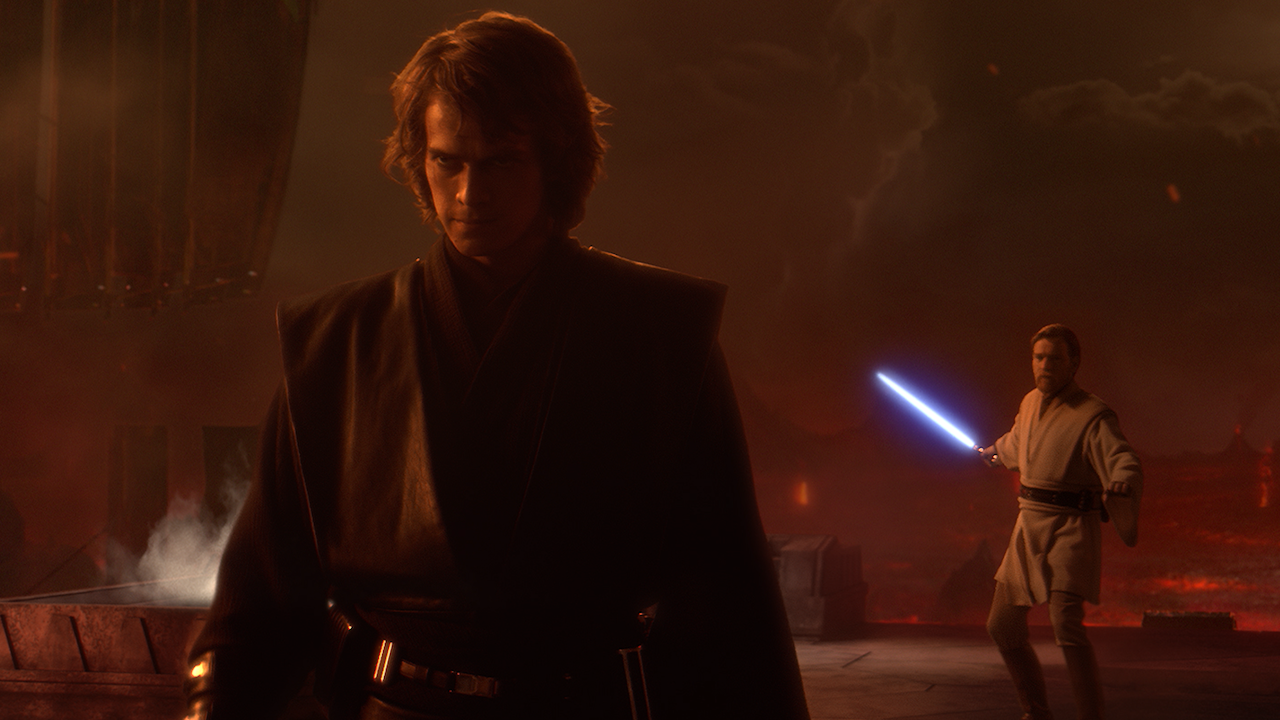
Anakin is so weakly written that any actor would struggle with imbuing his transition to the Dark Side with any conviction. Painful viewing for all concerned. And only George Lucas could make Samuel L. Jackson boring.
You’re left with the impression that the film’s sole purpose is to wrap everything up smoothly and lay the groundwork for A New Hope (1977), which is all quite pointless as no backstory is needed.
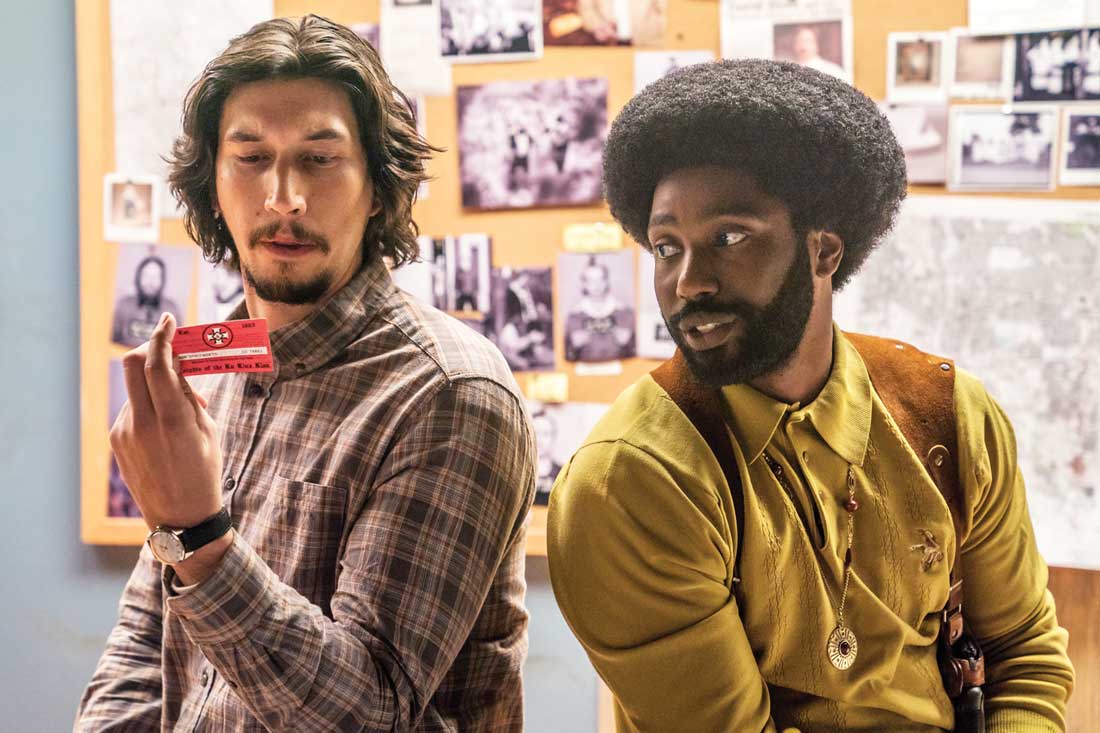
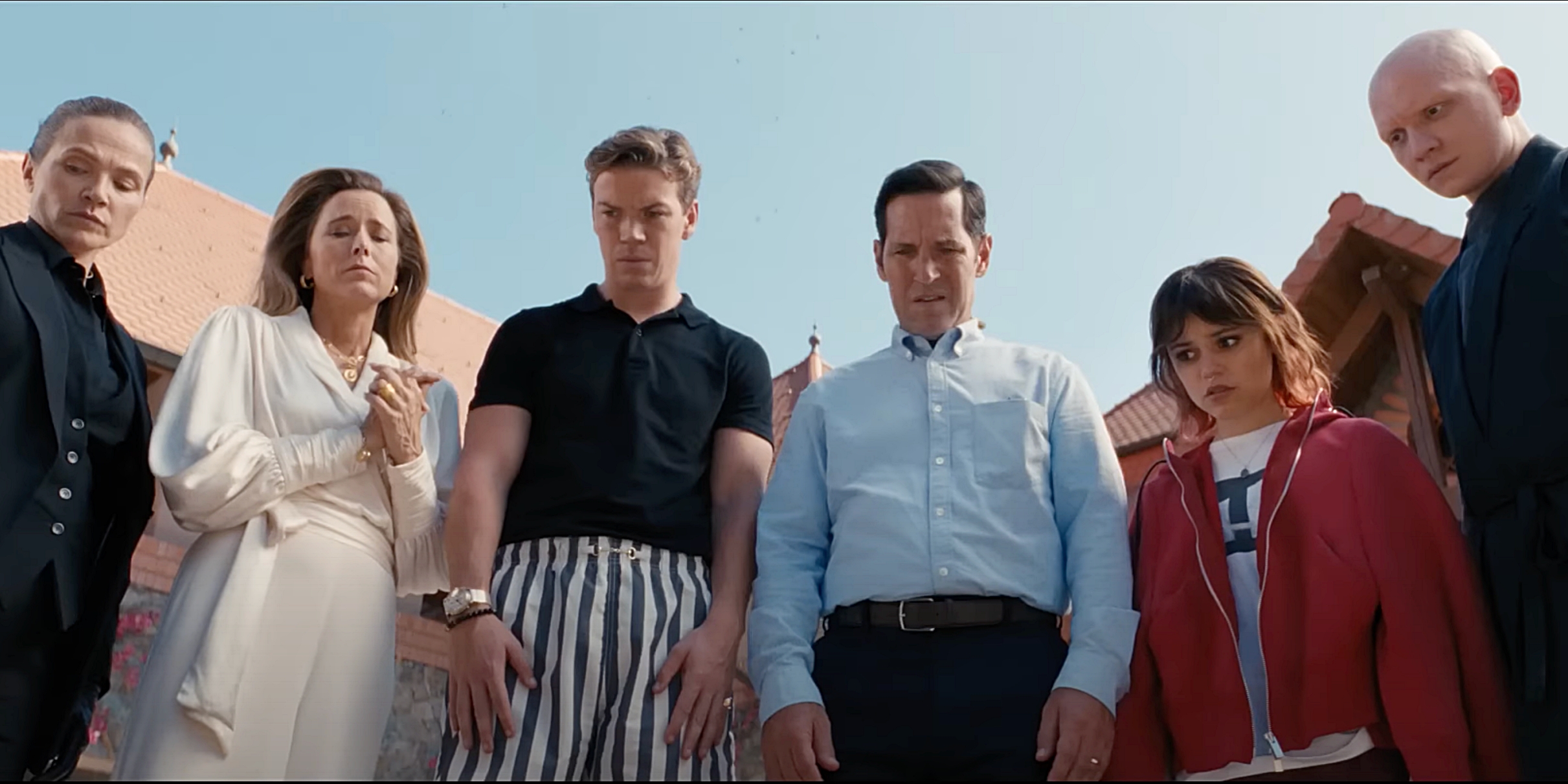
Adam Driver is in most of his output a horrendously insufferable watch, but he’s good in this film. You don’t have to attempt to muster the minerals to take him seriously or put up with his Emo masquerade and he emerges as quite the comedian.
It’s just a shame that in other flicks he appears to think he’s James Dean.
Roughly 43 minutes into this semi-charming, fully pedestrian tale about a cynic humanised by a penguin, I said to myself: “Why the fuck is this a movie?”
And then I went to sleep until I heard the sound of departing footsteps.
I’m sure it was worthwhile for those in the audience who resisted the temptation to nap.
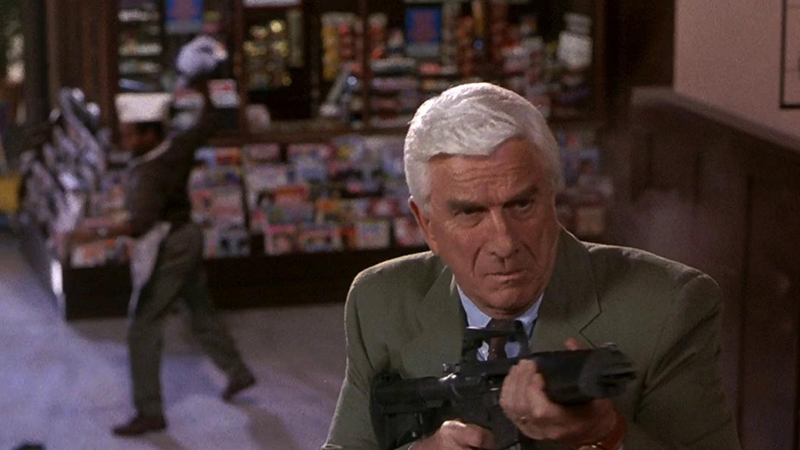
The Liam Neeson reboot is almost here as the teaser trailer has informed us, so this was an appropriate occasion to give the childish, immature, gleefully daft third entry in the Naked Gun trilogy another bash after a long hiatus.
It’s funny as fuck and I have nothing else to add.
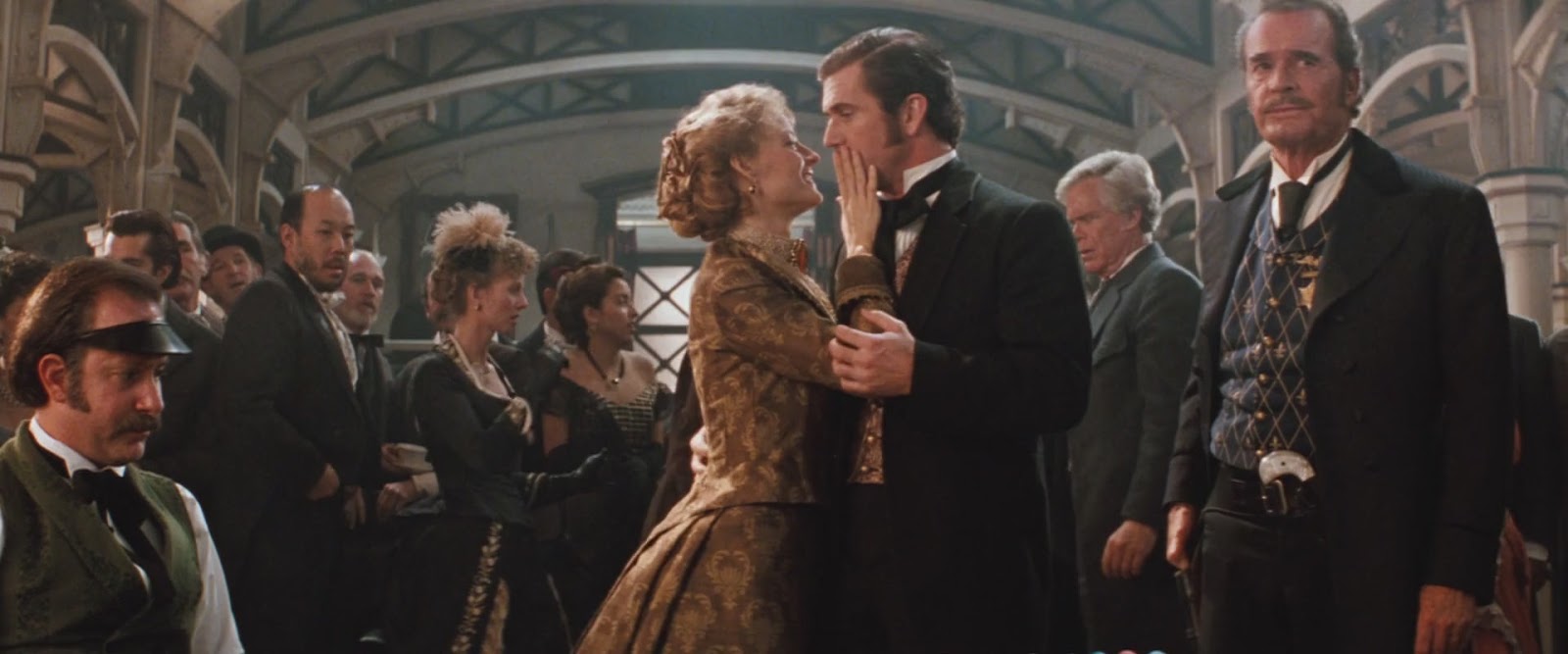
What an enjoyable movie this is, the type that offers two hours of escapist fun with no baggage or pretensions. It’s nothing special and provokes zero thoughts that one would deem as being profound, but then it’s about poker and Mel Gibson’s con man act. Nothing wrong with it at all and when it concludes you’re a wee bit sad there’s no sequel.
“When I was overseas during the war, Your Honor, I learned a French word. I’m afraid that might be slightly suggestive.”
For 1959, this is one coarse, salacious movie, peppered with manky chit-chat and innuendo in a subtle but all-out disruption of the Hays Code, James Stewart’s folksy lawyer our champion. It’s an entirely provocative movie.
James Stewart meeting Lee Remick for the first time, Duke Ellington’s jazz score accompanying the lawyer’s stride, is almost like a soft-core porno scene. I burst out laughing at how self-aware and, well, funny it is. Genre convention is acknowledged and upended in this flick through the art of taking the piss, but it’s also just cool – cool to look at, listen to. Even the poster is cool.
As courtroom dramas go, it grips for every minute. The instructive aspect of the picture ensures its continued significance as a spearhead in movies concerning the legal system, profession, and the court, the fallibility of the human element.
And Joseph Welch, who plays the avuncular but quietly authoritative judge, is the best judge I’ve ever seen in a movie and he wasn’t even an ‘actor’:
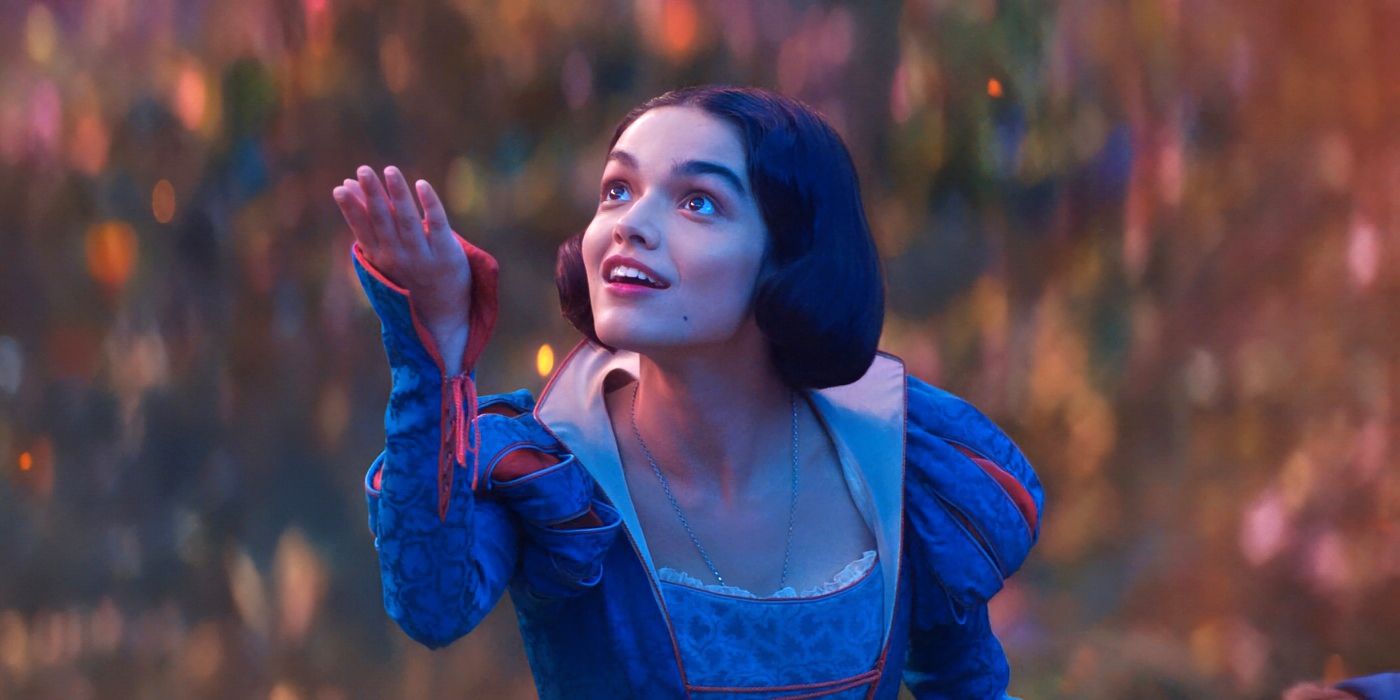
I can’t fathom the immense hoopla and ‘controversy’ surrounding this; my only conclusion is that folk in this age of hysteria have nothing else to do. Anyway, I have little regard for the original and view it as irrelevant – it’s certainly not irreverent – claptrap. I suppose it’s animated so that means it’s important ….
And this is the same, but just immeasurably more pointless. In a tale of baffling narrative choices, it swerves at one stage into barmy Peasants’ Revolt material, or a Robin Hood transposition with associated modern-day social democratic politics (I’m being serious) yet remains decidedly insipid and aimless.
Was this movie supposed to be about the titular dwarves or elementary economics and a mass rebellion against the oppressors? It was all a wee bit confusing, and I’m genuinely curious as to how so much time and money can be spunked on something so pedestrian. But I didn’t pay to see it so I’m not that bothered.
Seven midgets in a forest, a poisoned apple, silly songs, a talking mirror, a token uprising, and much ado about nothing.
It’s a one-in-a-million movie that shouldn’t exist. But it’s here … with us.
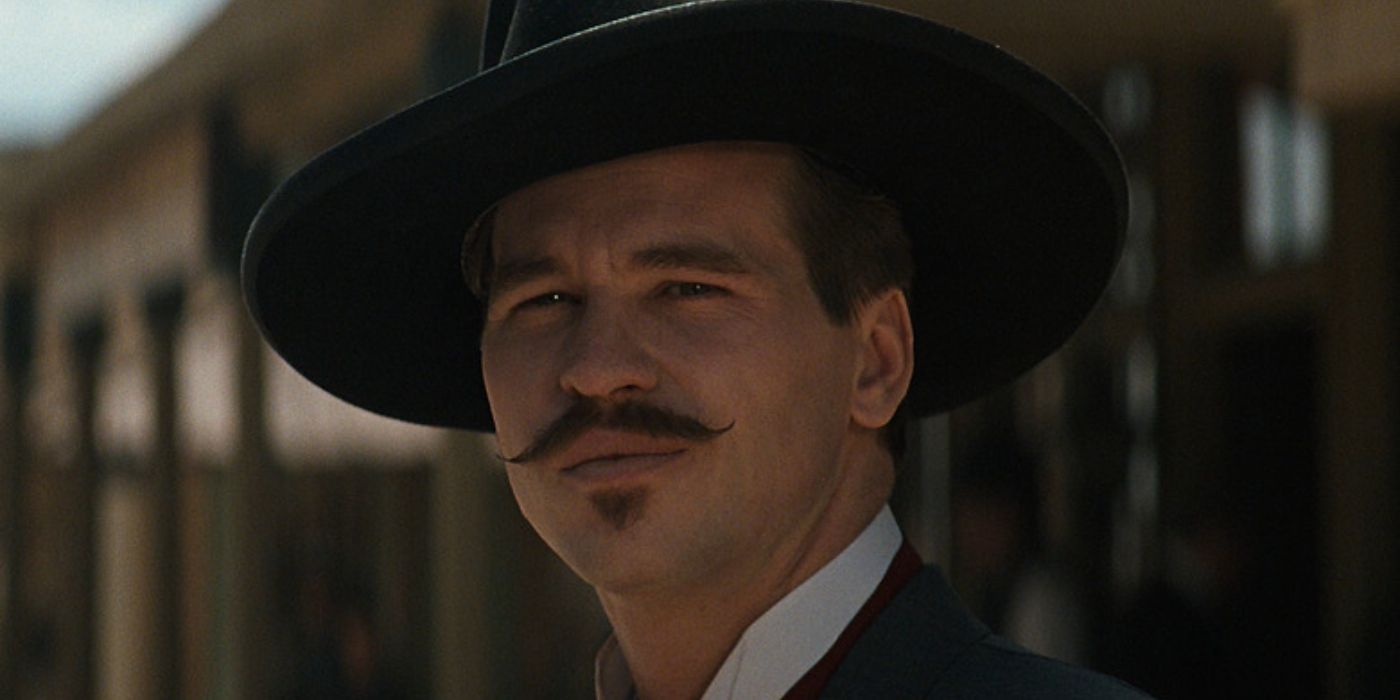
And it’s an utter riot, from Billy Zane with hair to Michael Biehn spouting Latin. It’s indeed a frenzy of quotes, with Val Kilmer’s lines more like witty sayings you gleefully take into life than the casual dialogue of his permanently plastered Doc Holliday.
A perfectly orchestrated yarn and the definitive O.K. Corral flick, it works as elegiac drama and pure entertainment. It’s the kind of Western Martin Scorsese would have made, such is the movie’s vibrancy and the finesse of the direction.
Kilmer is at his most weird and iconic here, his best ever performance. It’s so unlike anything else he did, and I can’t recall many other actors creating such an impression in a supporting role. You think of Doc Holliday, you see Val Kilmer in an instant. Alas, despite the mammoth career he had, it never quite matched his undoubted talent.
His wee swansong in Top Gun: Maverick (2022) was a lovely, heartfelt touch from Cruise, but it’s sad to see. It’s taken on a greater resonance now.


 Wanderings and ... wonderings.