A well-acted shitter (Toni Collette is marvellous in everything) but this descended into farce after about 30 unexpectedly disturbing minutes – I thought this was meant to be one of those quirky coming-of-age dramedies which can be quite therapeutic on occasion. The horrific MacGuffin had me almost turning the show off, such was its realism and relevance. I give it some kudos for that.
Things got messy thereon, however, and I’m referring to the script. It wasn’t going anywhere and I was losing interest with every gnawingly predictable moment, a pile-on of scenes from other thrillers. By the second episode I was lost in the world of far superior stuff demanding a second viewing.
I pulled the plug.
I hope you follow my lead (see what I did there?).
It’s finally on Netflix, the streaming platform the excuse to watch once more what you’ve viewed 20-odd times already.
This is the ultimate comedy about Murphy’s Law, with one inane episode after another. But they are all credible and you believe every moment. It’s so well shot and edited, with the awkward reactions and expressions half of the hilarity. Moreover, it defines awkward. And there’s a seasonal quality to it, like it should be mandatory Christmas viewing.
Sadly, together with Analyze This (1999), it gave De Niro the impression he was first and foremost a comedian, and it kickstarted almost two decades of utter shite from the legend. This includes the truly horrid sequels to this masterpiece.
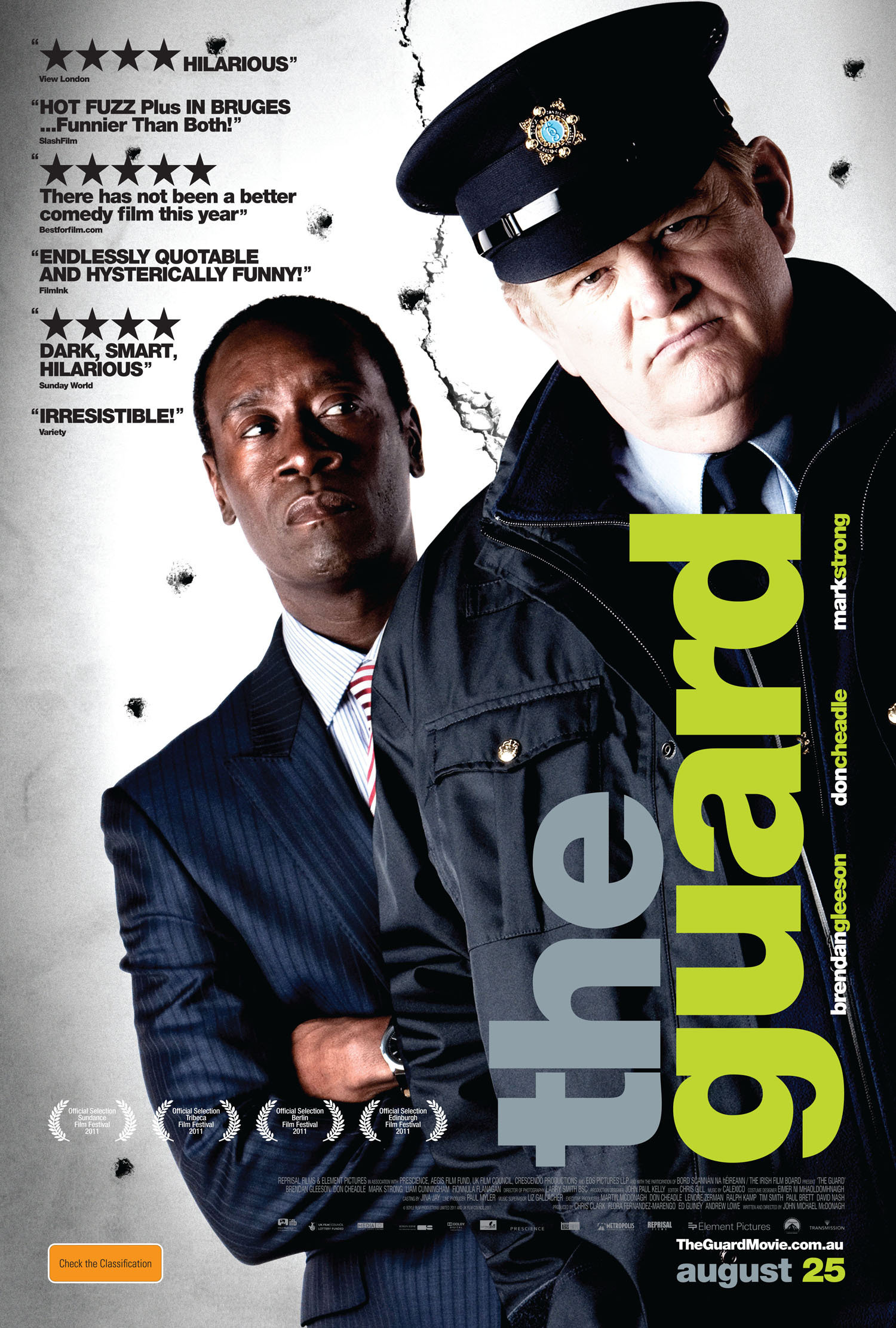
This movie defines fate and foreboding, superstition and subterfuge. It’s ostensibly about two blokes with shady pasts, but segues to a hysterical Puritan sermon on the dangers of drink, with a style which harks back to German Expressionism
It all gets a bit hardcore. You’re on a lighthouse island and with no escape, stranded with two total lunatics, the nominally quiet one and the macho man – and a descent into madness is the only outcome. It’s a gnarly movie.
I’d like to think that the truly great François Truffaut would be disgusted with this sneaky snap I took from behind a bus window, a wee ‘Ned’ at the back of the vessel screaming into his mobile the pros of beating a rival thug into a “fuckin’ bin”.
This is Guy Ritchie but Ritchie without most of the silliness, as in it’s silly but less silly than his usual fare. It’s actually quite entertaining, and at least shows some interest in how crime works, its structures and ins and outs. It’s also quite accurate in its depiction of gentry and their stately manors, and the lengths they will go to maintain their country estates. Additionally, there aren’t many Jack the Lads loitering about the frame, a standard Ritchie annoyance.
The movie peters out but it’s a not entirely wasted 90 minutes. There are a few grisly scenes which capture the omniscience today of horrifying YouTube videos luxuriating in street violence, and the movie builds to the extent that you wait for a deus ex machina but unfortunately it never happens, which is kind of irritating because you’re expecting an audacious twist.
Matthew McConaughey is excellent as always, and there are lots of bunnets, a.k.a. flat caps. I like bunnets.
For the exposition, I thought this one of the worst performances I’d ever seen. It was like Carlyle watched Richard III – play or any movie – and decided to limp about like Crookback for the duration of a gunpowder plot. And spice it up with a bit of Begbie. His James VI/I is a foul-mouthed little bastard with no grace or manners, an opportunistic cockroach who would murder an OAP for a bag of sugar.
I was thinking this and then I thought: this is 1603+. These creatures chucked one another onto bonfires and ripped their entrails apart. And the same sort would do the same today if they could. And then I got the genius of the performance.
Carlyle is keeping it real.
This is the only place I could find it. It’s very good, and with a young(ish) Michael Fassbender as Guy Fawkes:
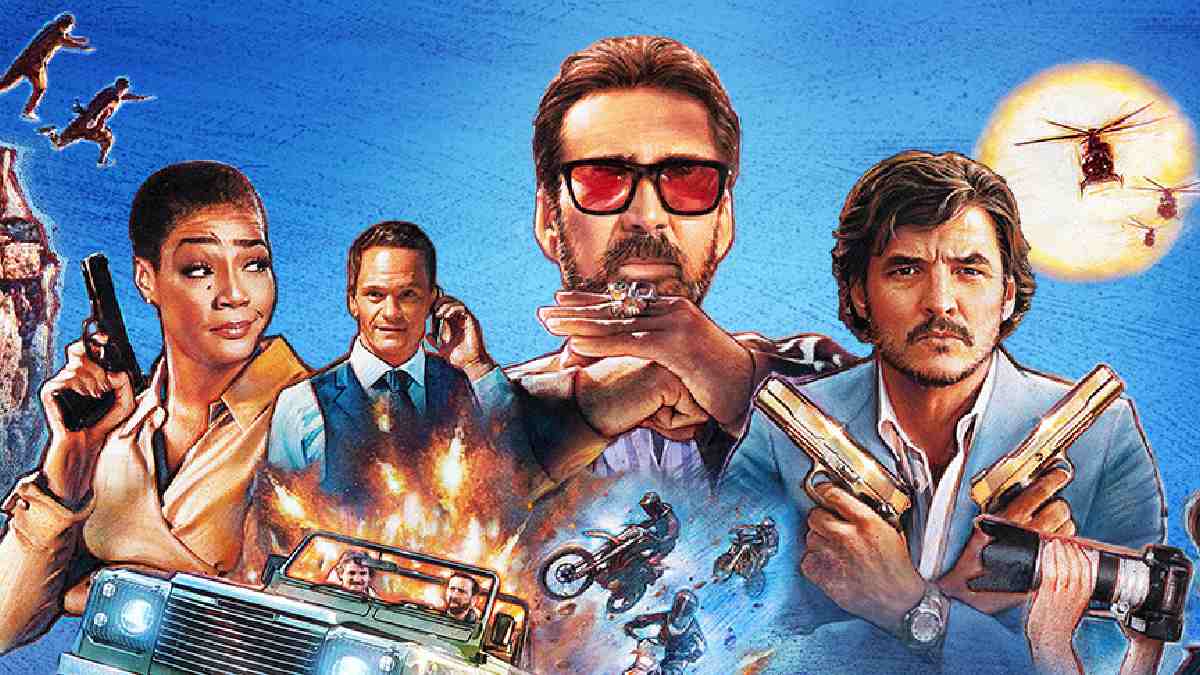
I was never sceptical that Nicolas Cage couldn’t do it, but when you hear ominous rumours swirling about of a movie consisting of Nicolas Cage trying to find his stolen truffle pig, I was a wee bit … concerned. But I shouldn’t have been.
Cage pulls it off with aplomb (of course he would have). He excels at normal-weird, if this makes sense. I define it as weirdness with an explanation. He’s a rather unorthodox actor, to say the least, but even in flicks ripe for garbage disposal, he’s always interesting.
Pig (2021) did surprise me. It wasn’t shit or pretentious or boring. It’s a curious wee arthouse number with Cage at the centre, occasionally losing his shit as Cage does, but ultimately all in service of the character. It’s no masterpiece but feels like it should be.
This was magisterial and a joy to watch. It’s not exactly a ‘fun’ movie but it’s captivating in its sincerity and … power. There’s a sense that at any moment something awful could happen, and that’s mostly down to Cumberbatch, who is as unpredictable as he is scary. His Phil Burbank recalls Daniel Plainview in There Will Be Blood (2007), and The Power of the Dog is quite similar to that seminal film in atmosphere and lurid landscape.
Don’t be expecting a knockout punch moment because it’s not that kind of movie, more a series of jabs, each progressively harder.
It’s totally gripping and eerie and surely too adult and atmospheric for TV. One would think for that era, anyway. Denholm Elliott is best known for his role as Dr. Marcus Brody in the Indiana Jones movies, but he was more than capable of going proper convincingly nuts in a Gothic horror.
Edward Norton was the last zeitgeist of the 20th century.
It sounds risible but it isn’t if you look at the body of work – he somehow captured everything, hit every nail. It was most likely by accident; that or he was incredibly good at choosing projects. He’s not really hit those heights since but the talent remains. He just needs a director to take a chance on him.
This is a sometimes horrifying movie and there are moments you almost have to skip. The film is biblical in its capturing of the transitory nature of happiness. These very real characters are stuck there with no escape. But they have a few wee happy moments. A few. It’s a long time since 1998 but not really, in the sense that someone said to me the Berlin Wall has been down longer than it had been up. You couldn’t make a movie these days with Ed Norton emerging from a cathartic shower with a Big Bertha-sized swastika on his chest. Today, this narrative would have the compulsory strong-willed female, a disabled character, obvious life lessons, and a happy ending. Cinema today is essentially and only social politics.
Derek Vinyard is the pre-eminent example of charismatic authority – everything he says at the dinner table is incorrect but he captivates through the intensity of the delivery. Bloody hell, who got Best Actor (when the Oscars were relevant) over this lad?! I think it was that exasperating Italian bloke who thankfully disappeared from cinema after his Academy Award.
And what the fuck was happening with the director calling himself ‘Humpty Dumpty’? My research is limited.