I don’t care that Steven Seagal is a conceited asshole with zero acting talent, Under Siege 2: Dark Territory (1995) is a bloody great movie – funny, thrilling, and better than the first outing. This was when Sensei Seagal’s ego was bananas but could be justified through bone-crunching mayhem that was pulled off so well, you believe it when Casey Ryback doesn’t even get a scratch on him after 90 minutes of knife fights.
Ludicrous movie – part satire, part macabre black comedy.
They are a weirdo household, oddball vestiges from another century but somehow less nuts than the WASP irritants they must interact with. It’s a lot of fun andand I didn’t snore once.
And spot Peter MacNicol, a.k.a. Dr. Janosz Poha. And Harmony from Buffy. And Chandler Bing’s unfunny boss. And a dozen more familiar faces.
Christopher Lloyd’s Uncle Fester with carrot sticks up his nostrils should not be funny. But it is.
This was okay but the hoopla and hysteria around it, encapsulated in some quite bonkers spunking on the flick at awards seasons, had me confused.
I didn’t know it was a multiple Oscar winner, and I don’t know why. My conclusion here is that the Oscars are meaningless and movies aren’t judged outwith the the realm of the political, the contentious – trends trumping genuine art.
It’s a good movie, though. But it’s no masterpiece.
Delightfully throwback opening credits, recalling a time when cinema recognised the importance of setting the tone, immediately caught the eye – a rarity. And it all looks incredible, every shadowy frame an image that could have been from David Fincher.
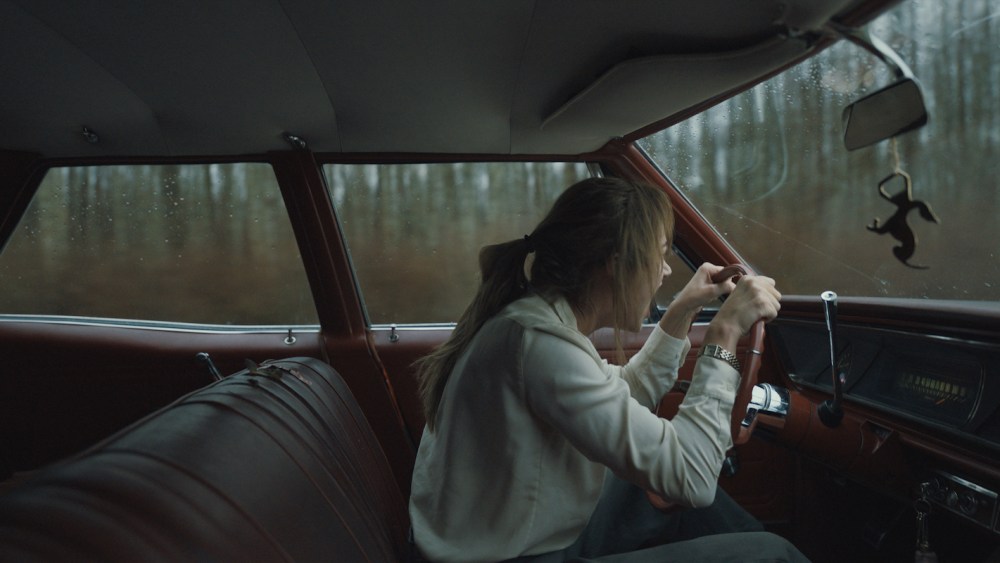
It suffices to say that I was fully engrossed in this splendid horror, which was as unpredictable as they come.
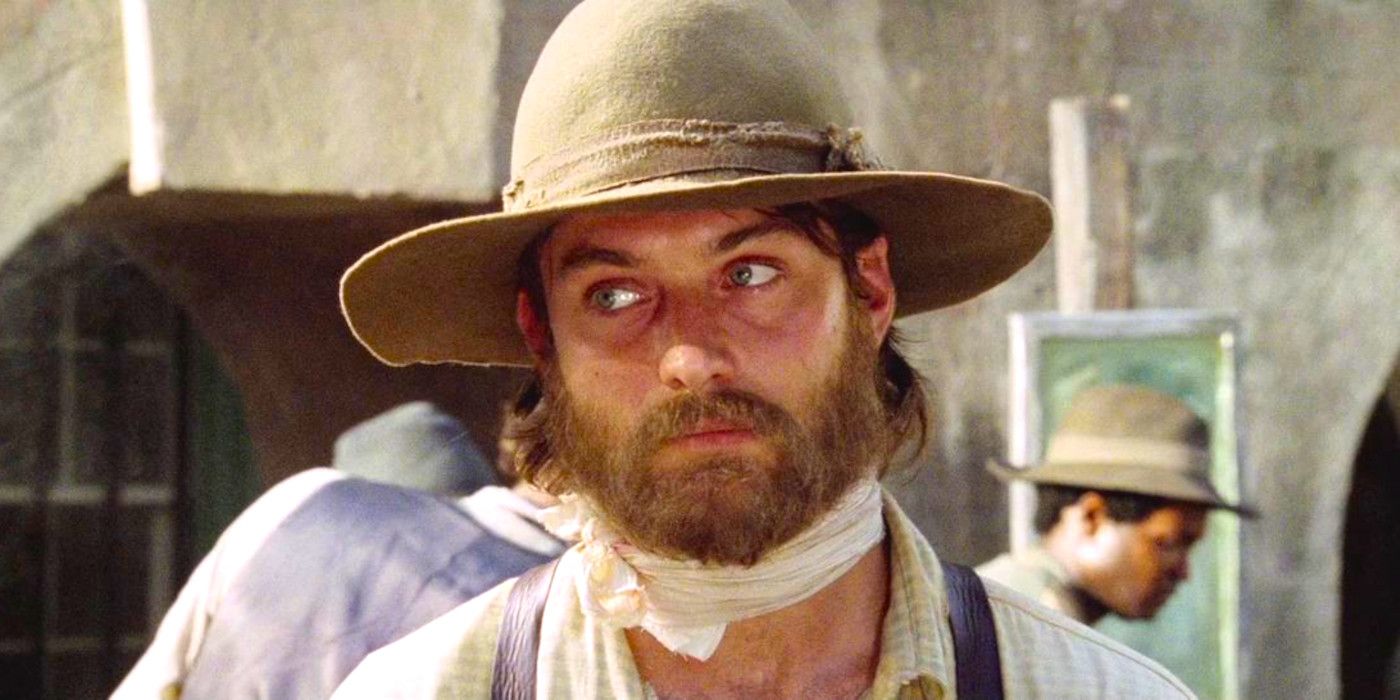
I was expecting a great-looking movie and this was a beauty; Anthony Minghella was always good at that. Brutal battle scenes were a joy to watch, though that’s not a term one would normally identify with carnage. It works as tragic melodrama, some of the naturalistic dialogue almost quotable, and it does capture the precariousness of passing through a ravaged country where law and order is an arbitrary notion.
I didn’t really see the point to it other than a smug shot at Oscar glory, and there’s nothing to distinguish it from a dozen other sweeping yarns.
And the accents were insulting; I would have said Kidman’s Southern belle shtick, especially, was the nadir until Renée Zellweger turned up, embarrassing herself and everyone else with her mugging antics. I spent the remainder of the motion picture praying that she bit the dust. But sadly, she did not succumb.
Daft film, but at least the supporting cast is epic – Ray Winstone, Brendan Gleeson, Donald Sutherland, and the always hypnotic Philip Seymour Hoffman.
It’s far better than The English Patient (1996), but it’s no The Talented Mr. Ripley (1999), which is this lad’s Everest.
I wasn’t here for Tom Hanks, the most overrated actor of all time starring as Elvis’ notorious bottom-feeding manager Colonel Tom Parker. But it’s a suitable gig for Hanks in that he can apply his superficial charm to the role. I wasn’t here for Elvis, either. I don’t like his music and my only experience of his movies is of turning them off if they ever ‘graced’ the TV back in the day.
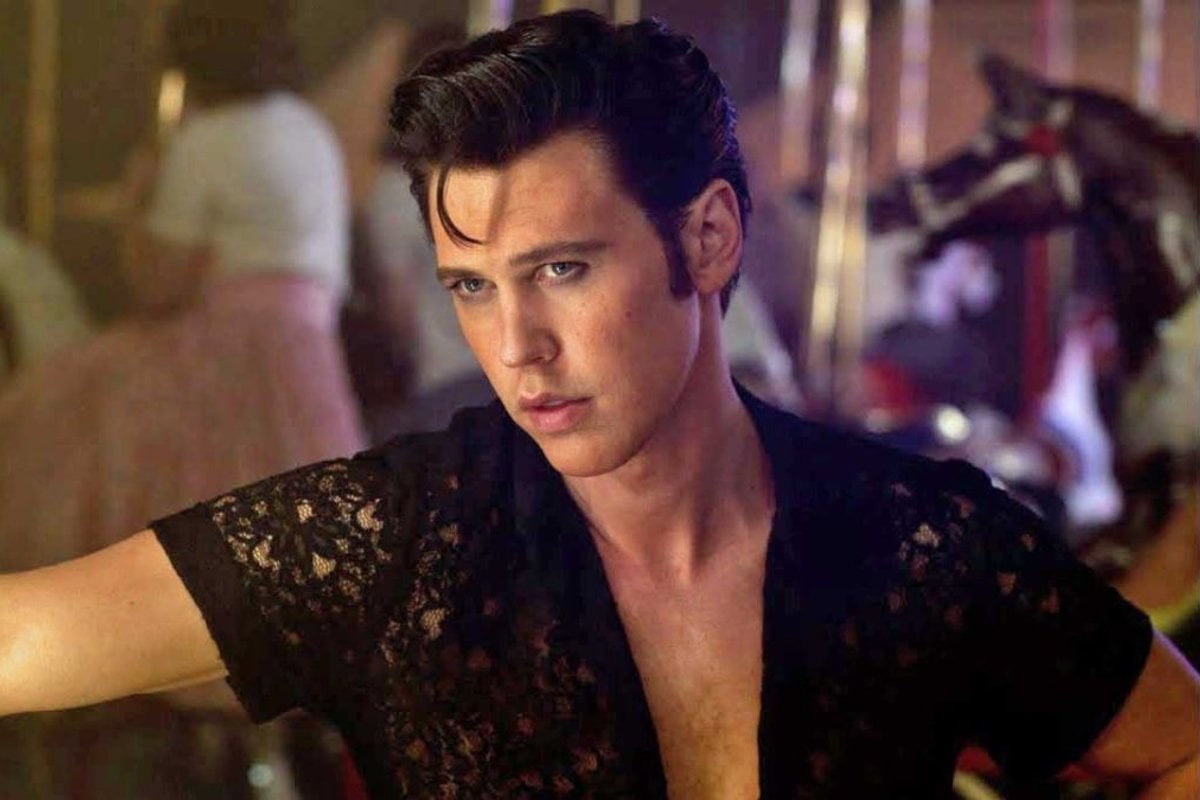
A Baz Luhrmann movie, however, is always worth a bash and at least distinctive (auteur quality), and he achieves more than most directors in trying to realise a style and vision. Elvis (2022) is an easy watch, engrossing even, visually dazzling, a kaleidoscope of colour, and frenetically edited and paced.
Luhrmann has no issue using music decades out of the depicted period; it’s a method of keeping the subject matter contentious, connecting it with the present. Some folk moan about such things, but the lad can do what he wants. He has a fervid and fearless imagination that is rare in cinema.
The lad who plays the titular crooner is quite brilliant. Unfortunately, Hanks isn’t, his ‘performance’ mere prosthetics. The movie succeeds most when he isn’t on-screen, but he’s barely off it – being a nuisance, trying to hog the limelight like a subpar Dutch-accented version of Orson Welles in Touch of Evil (1958).
But it’s a very good movie and attains an affecting, plangent beauty by the end.
The first one in the franchise, and it’s great ‘fun’.
I read some of the reviews after this viewing and it’s almost universally panned, the main theme that it wastes its premise, though my hero Roger Ebert liked it.
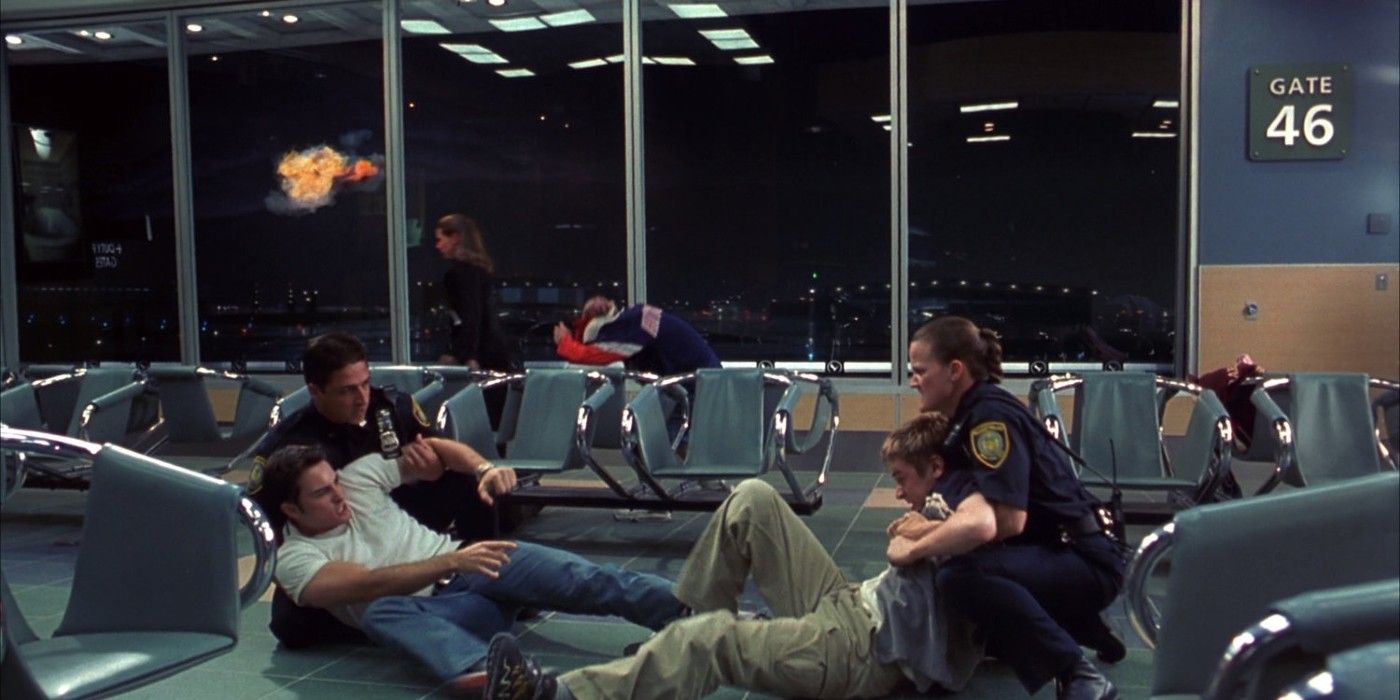
He’s correct. It’s spooky, unpredictable, for the most part well acted for a teen flick, and Candyman is in it.
And Steve Stifler features but unfortunately doesn’t li ….
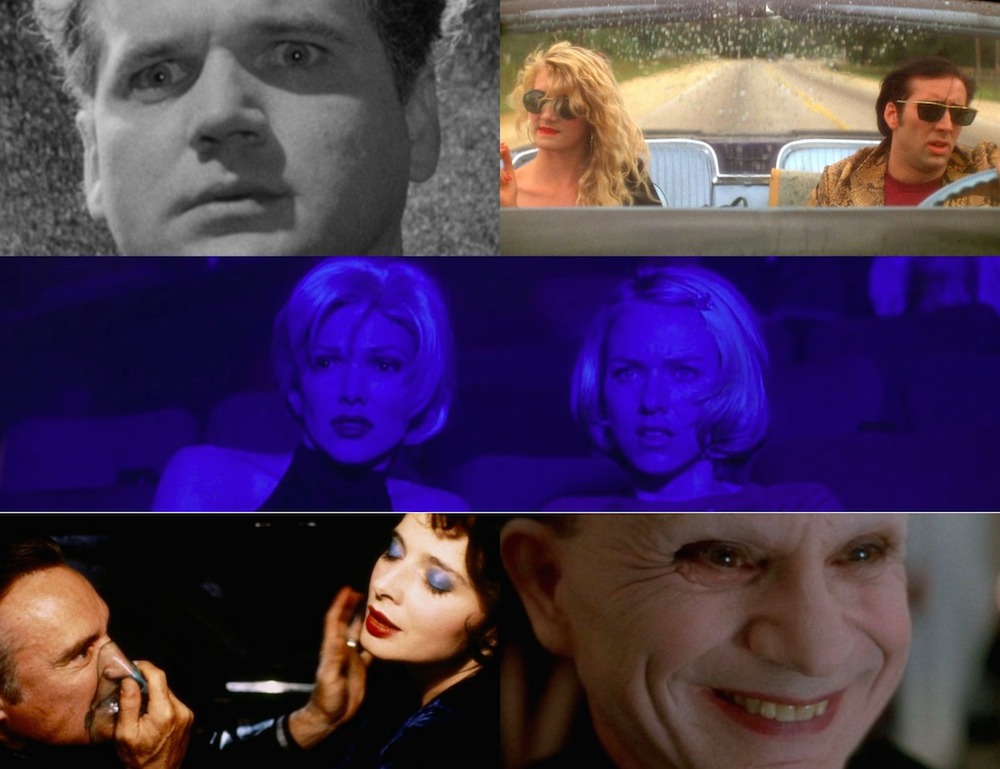
David Lynch – master of the surreal, pioneer of pastiche, maestro of the grotesque, visionary purveyor of all things weird, mood magic man, subterranean cinematic dreamcatcher. His movies were events, labyrinth journeys into the unconscious.
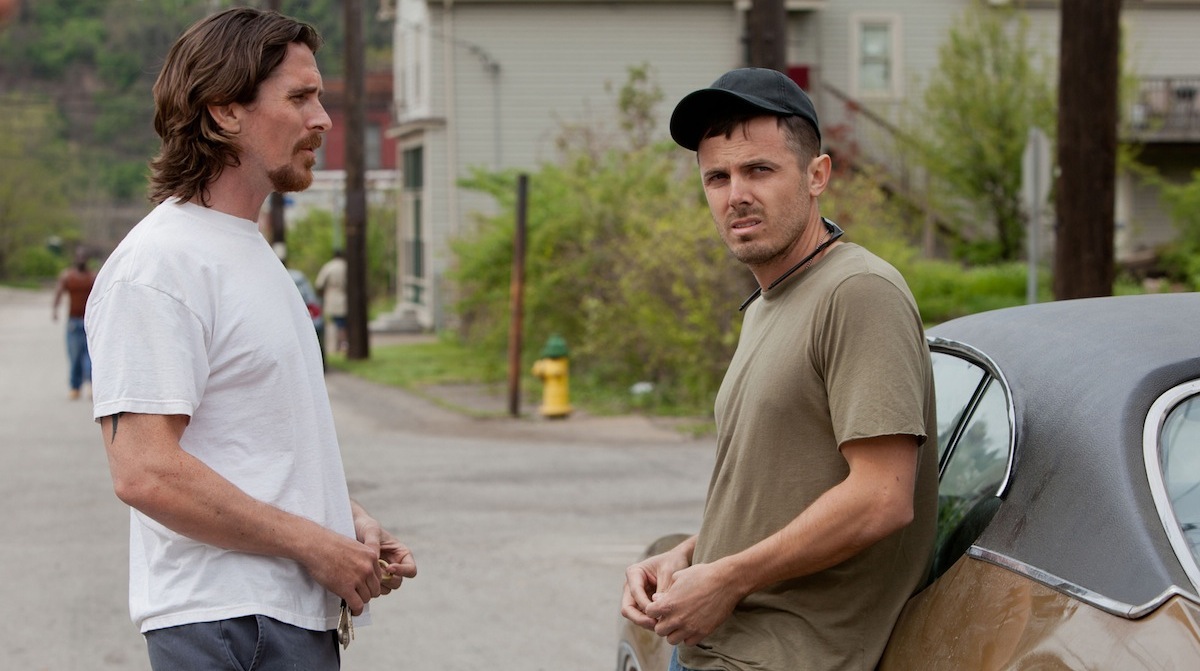
A remarkable cast wasted on this wholly unremarkable drivel, the script fished from the residue of 1,000 superior crime dramas. It was a mightily depressing watch, such is its tendency to wallow in muck, everyone in it a miserable bastard with complementary chip on shoulder. It’s also not even well made. I can see what it’s getting at – Rust Belt setting, forgotten communities, crime the only way out, etc. But it’s so identikit and dull and the whole thing is by the numbers. Stick on Killing Them Softly (2012) instead, similar themes but far superior writing.
Interestingly (barely), the makers were sued by an indigenous tribe negatively depicted in the movie.
My contention is that everyone involved in this should have been sued for it being so shite.
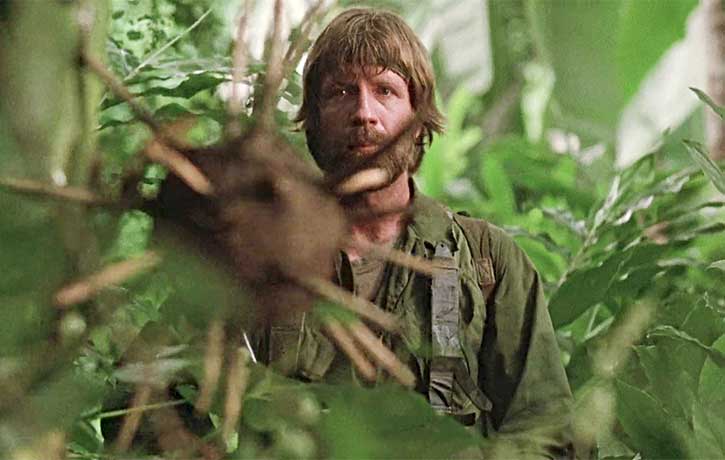
The first Chuck Norris movie I’ve seen – I don’t count Dodgeball (2004).
This movie is exactly like all of the parodies that followed. It defines the jingoistic ’80s but operates at a much lower level than the fare of Arnie and Sly. I turned it off after 15 mins and tried the sequel (originally planned as the first outing) but had to also turn that off after the following exchange:
“I’m just not tough like you,” a fellow soldier exclaims to Chuck.
You just know that Norris inserted that into the ‘script’, which is just a revenge fantasy for a lost war.



 Wanderings and ... wonderings.