I’m sure this was about something, and that something was something other than surface sheen and pyrotechnics, but it wasn’t something that interested me in the slightest.
So I won’t be bothering with a review other than that of Kenneth Branagh’s Russian ‘accent’, which receives a 0/5 from me.
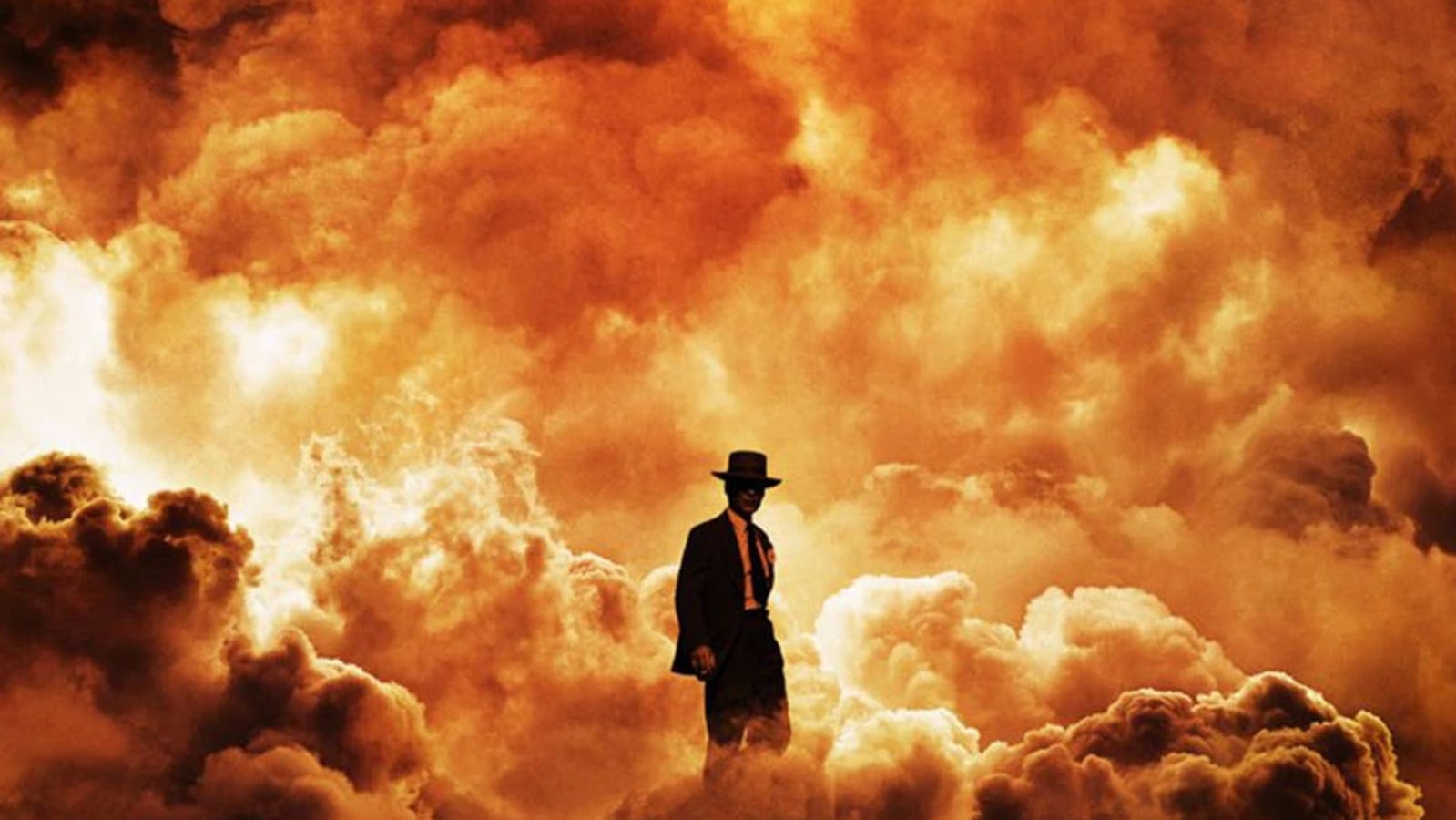
The Trinity Test is the centrepiece, and what a magnificent, wholly cinematic build-up and pay-off it is, pure controlled mayhem in its visuals and sound.
The rest? I was bored shitless. Most vexing, and this includes seeing the bumbling Tom Conti as Albert Einstein and Gary Oldman as Harry S. Truman in two of their most cringe performances to date, was the unbearable reliance on appointment hearings and that security clearance interview, and the incessant cutting back and forth, an overlong spy-chasing vignette which I found mostly tiresome. We all know politicians are vile; there’s nothing especially innovative in showing us all over again.
I craved more spectacle as well as insight into how this deadly weapon was actually made, that and a longing for a Terrence Malick approach to the material. It was so talky but with no memorable dialogue, and I got a bit sick of it – I was genuinely disappointed. As for the eponymous protagonist, I simply found him boring, and every time the camera lingered perversely on his sunken cheekbones a sense of resigned ennui is how I would describe the atmosphere.
A stunning technical achievement though it all is, I didn’t find it particularly revelatory, and I won’t be watching it again.
It also didn’t help matters that I was sadly sat beside a large, rather whiffy individual who breathed like an asthmatic hippo, ate like a gannet, and decided to take his shoes and socks off. I had to endure this for almost three hours.
It’s hard to define Nolan’s style – he goes epic and wide-angle when the moment demands it, but mostly his syntax is economical and unobtrusive, non-showy. It almost always works because you’re drawn into the intricacies of the story.
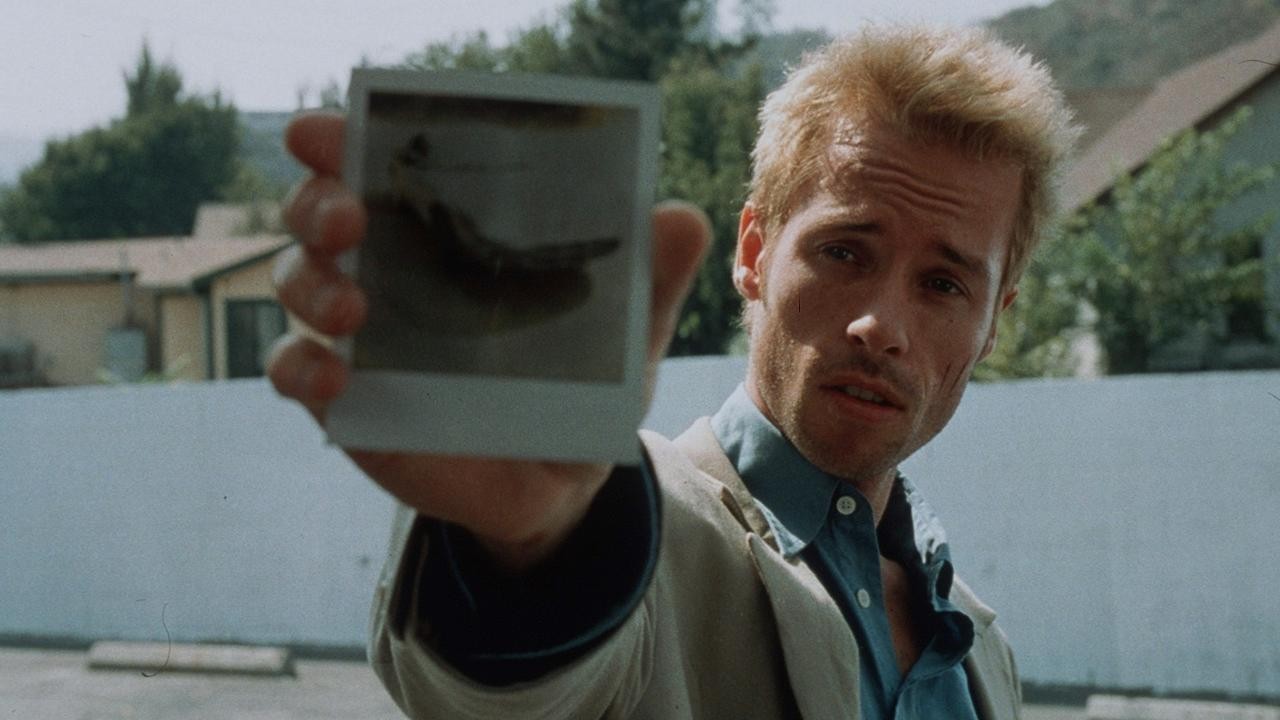
He has a thing for subject matter. Like the polymath Kubrick, you get the impression he’s autodidactically researched himself into a master of the topic. Memento (2000) defines Nolan at his very best. Immediately after watching I went on the usual internet binge. He seems to know most of his shit.
The non-linear structure works to a tee because it makes sense. The complexities of the character and the realisation that he’s not some naive rookie vigilante are revealed so well you’d be forgiven for thinking this is the director’s 10th venture into movie making.
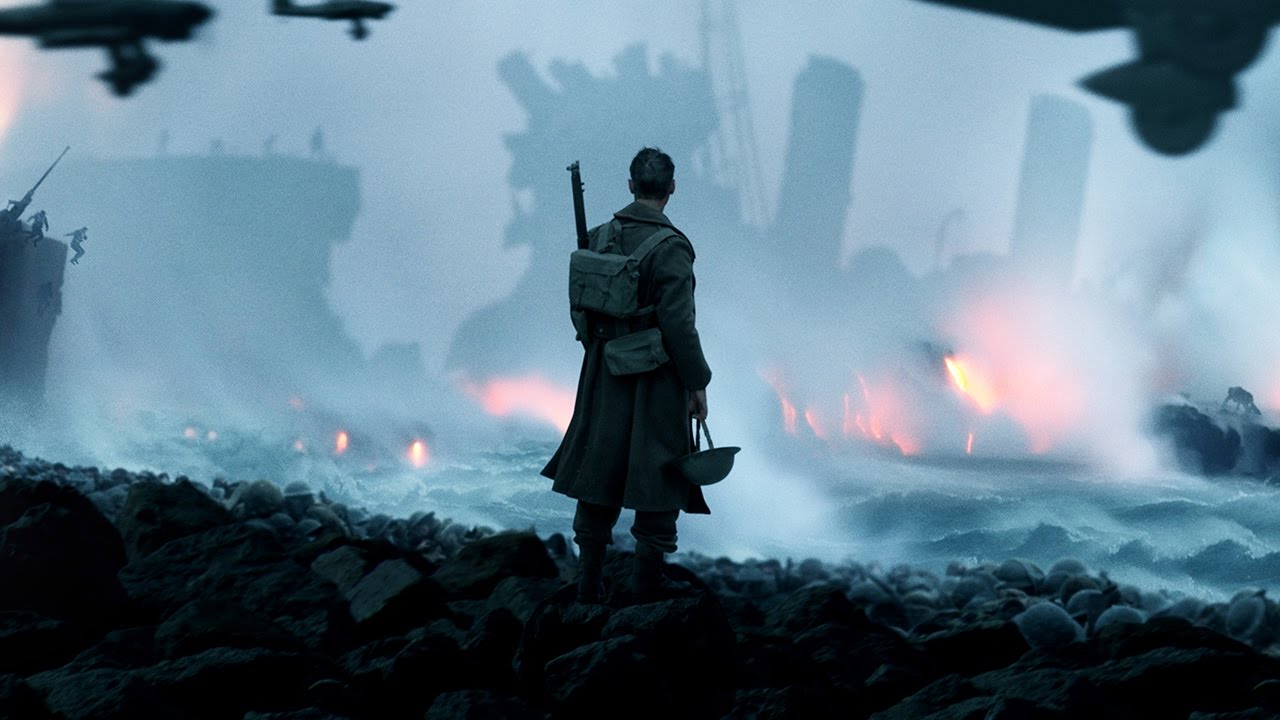
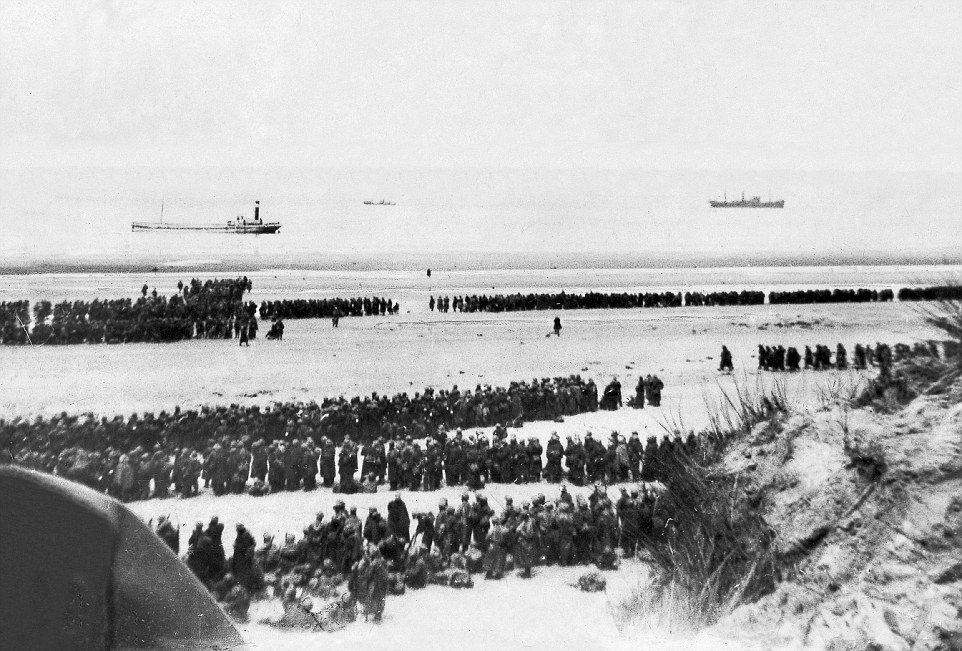
There are no gratuitous blood-and-guts sequences, nor are there any overtly saccharine attempts to sentimentalise the drama (think Spielberg). It was wound like a spring, and shot with such precision and clarity of vision. The film is a non-linear impressionist snapshot of the evacuation, and it was so refreshing to see a picture made of that great escape bereft of nonsensical German accents or extended scenes of generals and statesmen at conference tables. It’s the anti-genre constraints war movie, more akin to a peak Michael Mann picture – Heat (1995), The Insider (1999) – than your generic battle flick.
Fear predominates – fear of being smothered by a relentless enemy, this claustrophobia reflected in sometimes mere facial expression and the economy with which Nolan employs the classic close up. And in small acts of heroism characters occasionally perform, the film explodes with such unexpected emotion that it occasionally reaches the cinematic heights of the transcendental. The last twenty minutes of Dunkirk (2017) are among some of the most prolongedly intense in modern cinema, hope (and home) the against-all-odds outcome. Masterpiece.

 Wanderings and ... wonderings.