If you wish to see a labyrinth of corporate greed which the financial lay person (me being one of them) can almost understand, then this is one limited series for you.
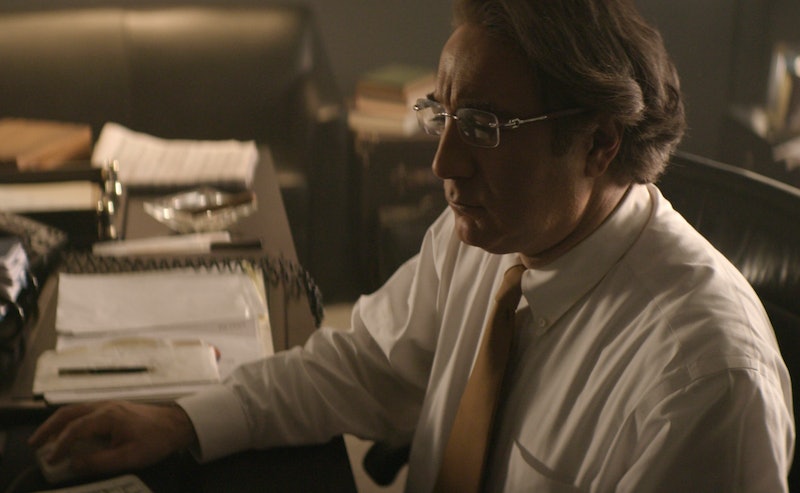
It’s an addiction. And this is in spite of the cringe slow-motion visuals every other minute of a Madoff doppelgänger circling his office with the same rictus grin, a “financial serial killer” in his element.
As a history lesson, it’s impeccable, and none of the willing participants are let off lightly.
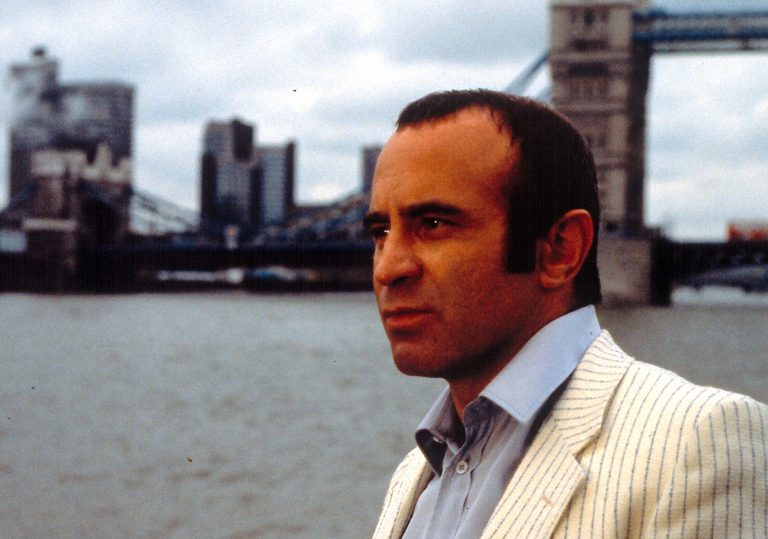
Bob Hoskins as the criminal parvenu Harold Shand in The Long Good Friday (1980).
A “testicle on legs,” as Pauline Kael once wrote of the lad. An extraordinary performance from a bloke who never gave a bad one despite not a single acting class in his life. He was a born thespian.
Bob Hoskins was quality – even in a Mario Bros. movie.
‘The Yanks love snobbery. They really feel they’ve arrived in England if the upper class treats ’em like shit.’
A decent enough, semi-rousing yarn that is better as an example of missed stylistic choices than a superior entertainment. It’s mature but has a soap opera ‘quality’ to it, which makes you wish it went all out and 100% ridiculous for it’s so damn plodding at times. The cast are the best thing about it. Tim Roth is suitably supercilious and looks like he’s having a ball. What happened to him? He was Mr. Nineties. Perhaps that’s his decade and no more. Brian Cox, though, is the gem here. He’s a total slimeball and unashamedly so. He excels at those roles.
The score, sadly, is horrendous and frankly intrusive; it detracts from the would-be drama on display. Listening to it, I kept thinking of Miller’s Crossing (1990) or Fargo (1996), and then realised it was the same bloke who scored those movies.
A cracking sword fight with actual decent editing rounds off proceedings. There aren’t a million cuts to the sequence, which is shocking. But then this was made prior to ADHD being a prerequisite for the job of editor.
Brutalist and utopia are never two words to be used in the same sentence without negative connotations, but it’s a recurring theme with these building projects. We did, however, experience the “aesthetically pleasing” luxuries of A Clockwork Orange (1971) because of these architectural faux pas.
Once again: “As we walked along the flatblock marina, I was calm on the outside but thinking all the time. So now it was to be Georgie the General, saying what we should do, and what not to do, and Dim as his mindless, grinning bulldog. But, suddenly, I viddied that thinking was for the gloopy ones, and that the oomny ones used like inspiration and what Bog sends. For now it was lovely music that came to my aid. There was a window open, with a stereo on, and I viddied right at once what to do.”




















 Wanderings and ... wonderings.