Another sensommer viewing of this marvellously mental movie (accidental alliteration).
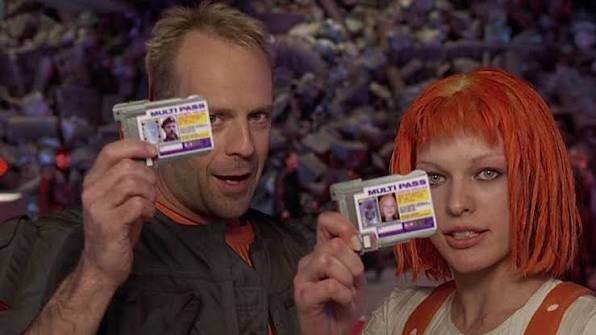
It exists entirely within its own orbit and every frankly daft facet of it works because it’s congruent with the overriding narrative of stylised stupidity.
A feast for the eyes, the ears, … maybe not the brain when Chris Tucker is screaming. There is not a dull moment in this fervidly imaginative slice of peak Luc Besson, the pioneer of cinéma du look.
Some movies are event movies, such is the dearth of auteur cinema on the big screen today. Christopher Nolan, for better or worse, might just be the last director making epic blockbusters who is able to inject them with any kind of personal stamp and aesthetic idiosyncrasies.
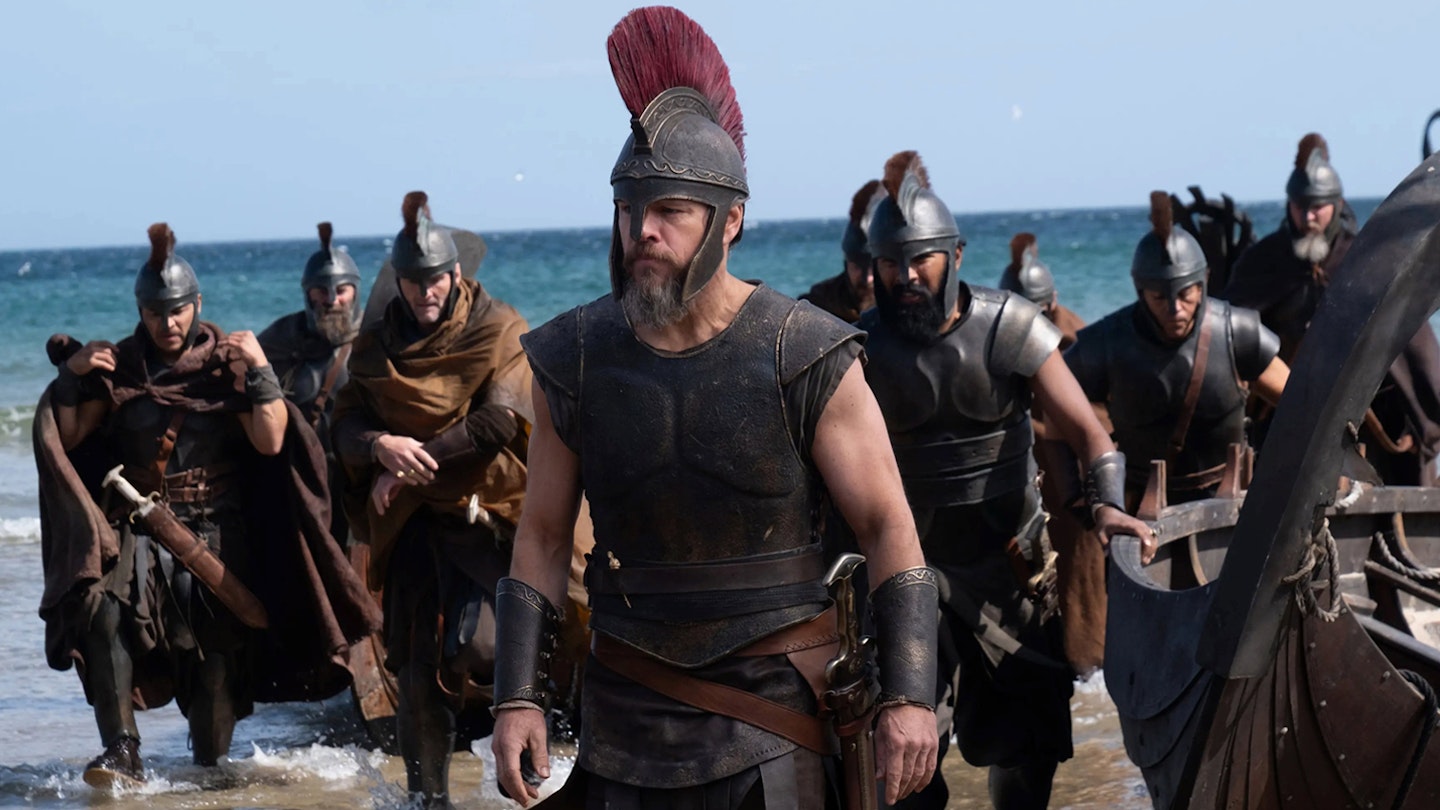
The Odyssey (2026) is, I am relieved to write, mostly pretty fucking awesome and a technical marvel. The only gripe I have is that the underwhelming denouement consists of the generic battle-infused run-of-the-mill crawl to the finish line that characterises hundreds of these flicks.
That aside, the good stuff is fabulous, the episodic fantastical elements more then mere monster-of-the-week subplots, instead seamlessly embedded within the recognisable reality of a historical fiction, with its director’s preoccupation with time and fate.
And how does one top Brian Cox’s riotously unhinged Agamemnon in Troy (2004)? You go the opposite way and have him as a mute, full armour-clad beast the size of a Klitschko brother, even his warrior satraps – Odysseus included – quivering at his presence.
And Sleaze of the Year award goes to Robert Pattinson. I read that he based his performance on the redoubtable James Woods as Lester Diamond in Casino (1995). What an off-kilter but apt tribute.
Painful and embarrassing, this is the very definition of one of those movies where no one ever told the people making it some home truths, namely that they were making an epic spectacle … of themselves.
The lack of self-awareness on display is mental.
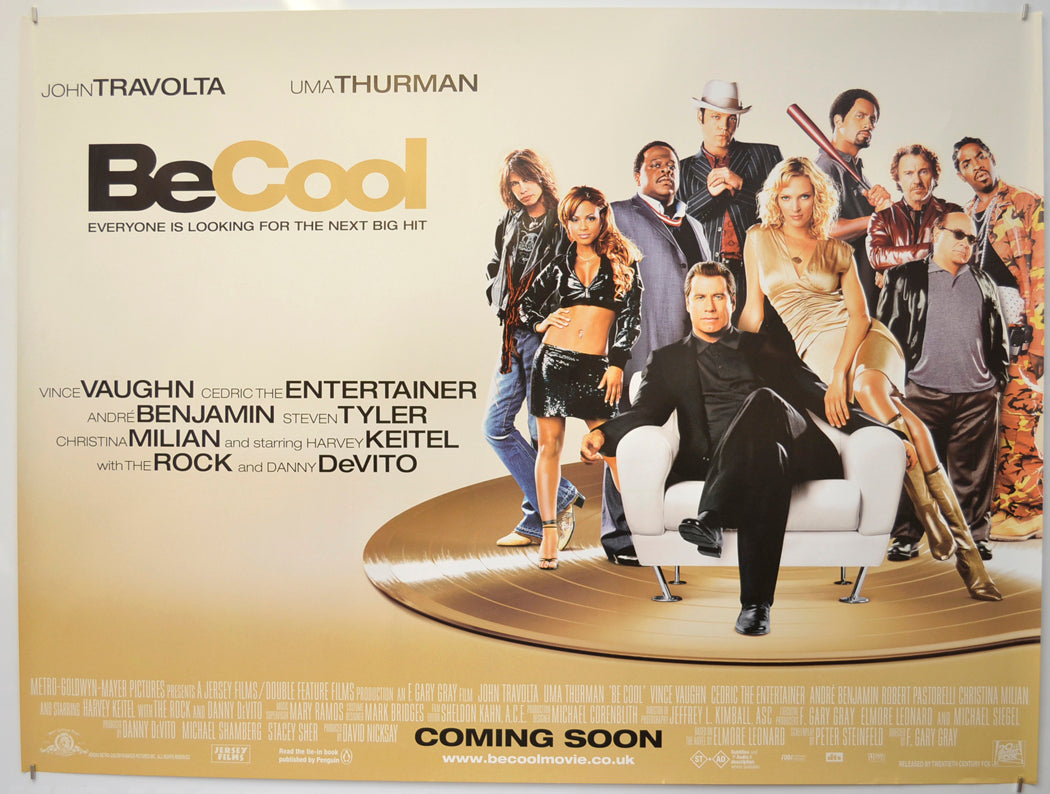
A truly shocking movie in its awfulness, it’s not cool. It’s frankly uncool.
I hesitate to use the term old-fashioned or old school (‘skool’ if we’re appropriating street slang), but it’s how I’d best describe this charming movie. It has a genuine warmth and innocence about it, a throwback to one of those risible but irresistible fairy tales.
The period continues to fascinate, and the film captures with elan the brittle precariousness of the era. Pre-war Vienna, that gilded pan-European late age of modernism, decadent Austria-Hungary’s last-chance saloon before the Great War and destroyer of empires. Something like that.
Walken doesn’t need to explain anything in this one – why should you have an insight into his inner sanctum? He plays chess and that’s all you need to know. He’s an extremely cool lad, even when channelling his evident PTSD through some heavy weaponry in the fictional state of … Zangaro. No-one can do haunted like this actor, yet stay seemingly aloof and in control at the same time. The movie has a clinical, procedural quality about it, that Day of the Jackal (1973) disciplined narrative. The similarity is not a coincidence (Frederick Forsyth).
How to describe Robin Hood: Prince of Thieves (1991) to someone yet to have ‘the experience’ – it’s nuts.
Kevin Costner is in it with a receding hairline/mullet combo. He leads a gang of Midlands-based Bolsheviks with American accents who spend their time chilling in Sherwood Forest and robbing successful people of their hard-earned cash – it’s an unintentional allegory.
Morgan Freeman is also in it, and he seems to have adopted an accent that’s straight outta Cool Runnings (1994). The best bit of the yarn is when they get from Dover to Nottingham, Alan Rickman’s domain, via Hadrian’s Wall.
It’s an insane movie and looks like it was made merely to test whether an insane movie could be a success.
After a grand opening sequence shot that showcases all of Brian De Palma’s predilection/fetish for needless aesthetics with an absence of characterisation or an acknowledgement of any world outside his own wee wanky technical exercises, this descends into a non-movie student project.
Apologies for the length of that sentence.
The most intriguing aspect of this legit pile of crap is that the excellent character actor Kevin Dunn is in it and interacts with a character named ‘Kevin Dunne’ played by Gary Sinise. But once again this is De Palma being all clever and self-referential instead of crafting a story.
A comedy with … you know, wits … that even has a bit of a brain. This was 1983, though, when you were allotted a bit of ‘lolz’.
This is a scattershot sociological satire (accidental alliteration), The Prince and the Pauper (1881) meets a raucous, but never annoying Eddie Murphy. The lad was on fire back then, a veritable motormouth meteor on stage and screen.
I ran out of metaphors.
There are spooky harbingers here: one’s dependence upon financial institutions, and how easy one can be ‘cut off’ from access to ‘legit’ money, the speed of the downfall from mansion to slum dwelling.
I found some of it quite disturbing in its foreboding, and the unfunny periods at least have these serious elements.
John Carpenter – and what happened to him? – is almost a student filmmaker with a broad canvas. He makes, or made as he’s seemingly retired from the director’s chair, entirely self-contained movies that are immediately identifiable in their style, and it goes without saying but I’ll say it, anyway – the music. He defines the B-movie and I could never imagine him making anything outside the parameters of the genre.
This is a good one. The social commentary and allegorical play on industrial decline isn’t exactly subtle, but it doesn’t matter. Piper’s sunglasses revealing pernicious subliminal content disseminated by the powers that be – I was almost expecting a Marshall McLuhan cameo, à la Annie Hall (1977).