A good lad I know found this in the public library box … thing next to Harrison Park.
I thought Alan Clark was just a funny-as-fuck semi-cabinet minister who wanked to Maggie Thatcher. But fucking hell, this work was so fluid, shocking, actually intense (even if you know most of what he’s banging on about). It’s the measure of the characters which impressed me the most. The bloke’s ability to sum things up without waffling away like most writers.
This is how it ends:
I’m taking it back to the library next week with a wee appraisal on the inside sleeve.
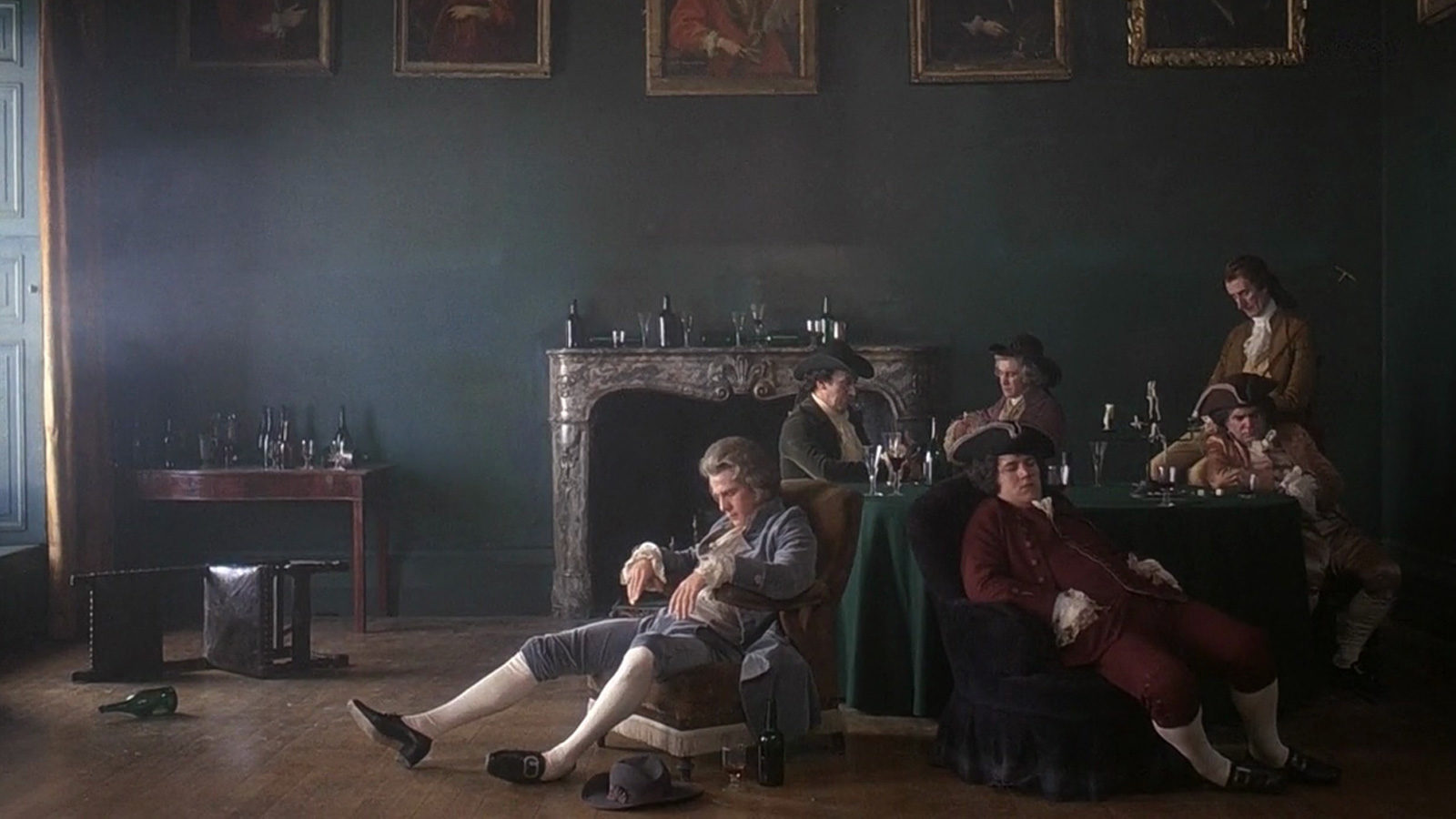
There’s legit nothing else like it and it’s the most plodding movie ever. It just goes along at its own pace and takes its time with everything. Ryan O’Neal has to be the most uncharismatic and uninteresting actor to have ever starred in a masterpiece. Yet it’s his nothingness that makes the picture work. He’s a vacuum, a character we can superimpose ourselves onto. And those visuals! You often read in reviews that the film is “like a painting”, which is stating the obvious. It’s more a portrait of a repressive age, mostly static but with occasional exuberance and some avenues for advancement, And once again, Kubrick shows he is the master of assembling soundtracks.
Best quote:
‘It is well to dream of glorious war in a snug armchair at home, but it is a very different thing to see it first hand. And after the death of his friend, Barry’s thoughts turned from those of military glory to those of finding a way to escape the service to which he was now tied for another six years. Gentlemen may talk of the age of chivalry, but remember the ploughmen, poachers and pickpockets whom they lead. It is with these sad instruments that your great warriors and kings have been doing their murderous work in the world.’
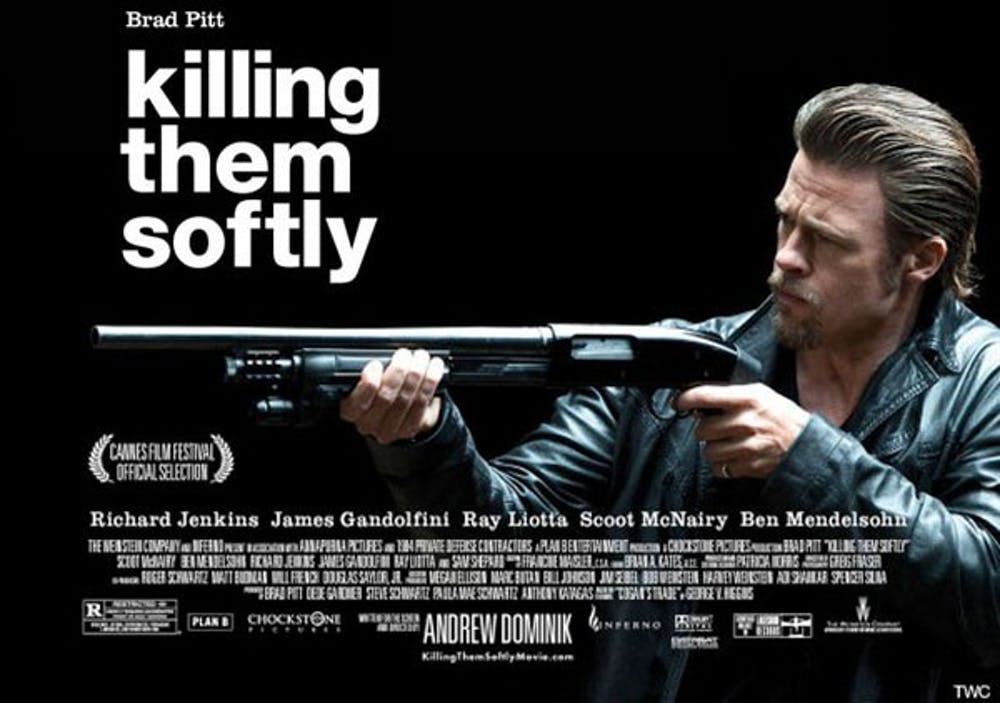
Andrew Dominik is the real deal – Chopper (2000), The Assassinationof Jesse James by the Coward Robert Ford (2007), and this hidden gem.
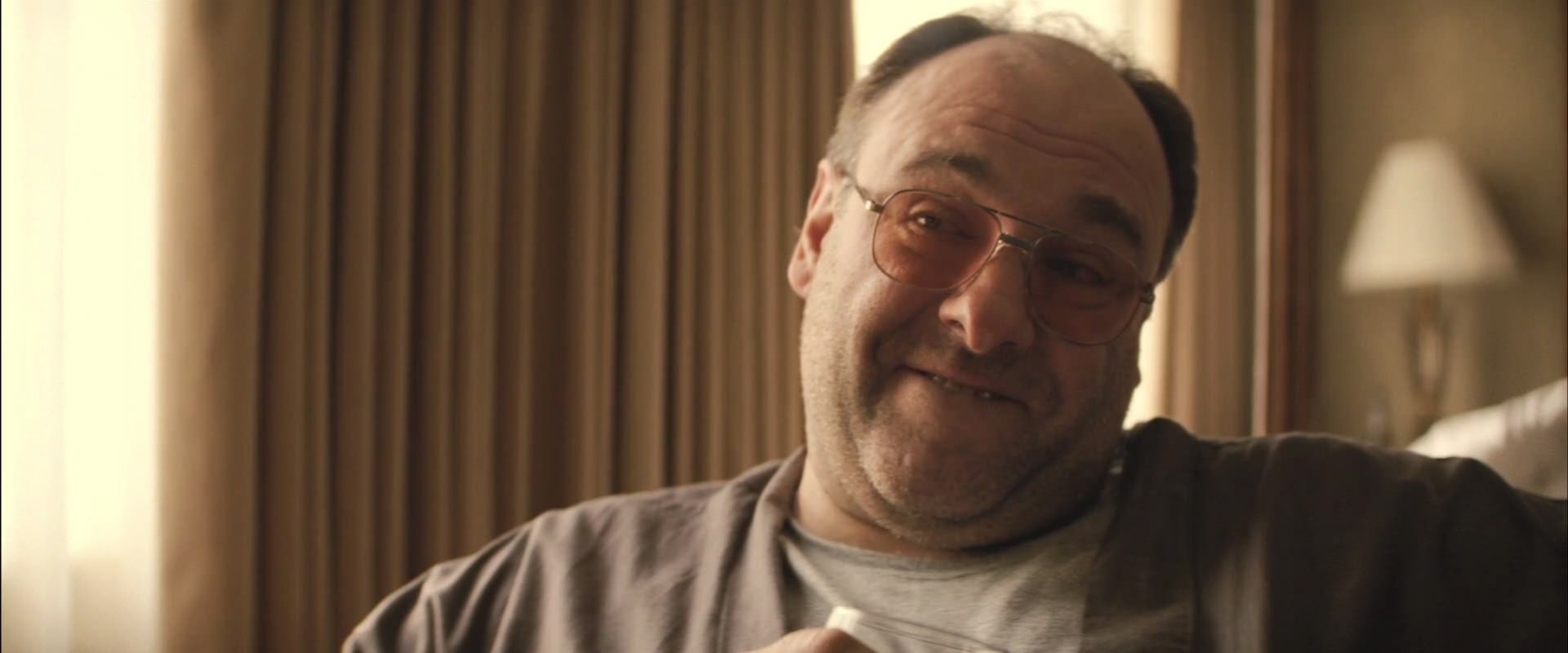
This is such an unusual crime thriller with its entirely unexciting shoot-outs and dearth of brash or loud moments. The movie mostly comprises a lot of miserable criminals engaging in very convincing conversations about their jobs; none of this standard mafioso talk. And it’s especially memorable for James Gandolfini losing the plot in one of his last roles. It says a lot about the quality of the actor that Tony Soprano never once popped into my head throughout his scenes.
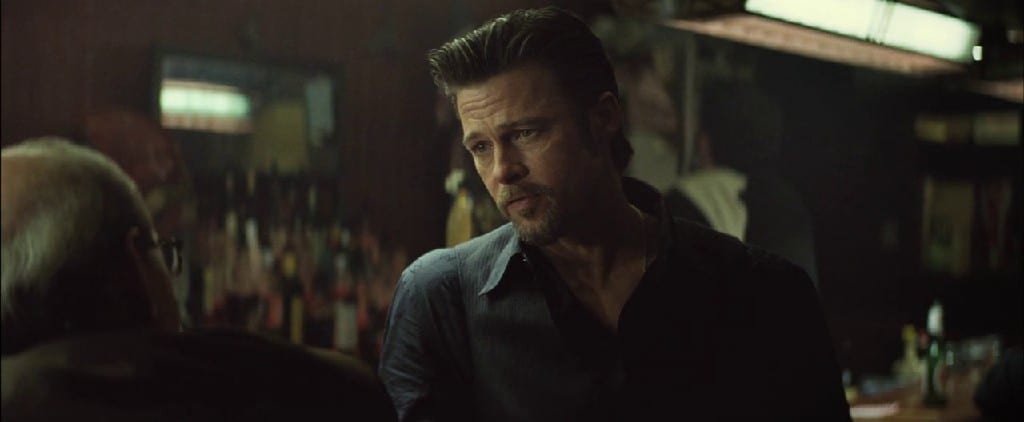
Despite coming out in 2012, the film exists in a weird Great Recession/2008 United States presidential election bubble, and for a reason. If a clue was ever needed as to the movie’s statement, Pitt’s furious monologue at the end is for you:
‘My friend, Jefferson’s an American saint because he wrote the words, “All men are created equal.” Words he clearly didn’t believe, since he allowed his own children to live in slavery. He was a rich wine snob who was sick of paying taxes to the Brits. So yeah, he wrote some lovely words and aroused the rabble, and they went out and died for those words, while he sat back and drank his wine and fucked his slave girl. This guy [Obama, acceptance speech on the TV] wants to tell me we’re living in a community. Don’t make me laugh. I’m living in America, and in America, you’re on your own. America’s not a country. It’s just a business. Now fucking pay me.’
Approaching the end of the end of the lockdown … until we start up again and go back to the new normalcy, which will be another lockdown-lockdown. Probably.
I barely understand half of the stuff that went on but the movie somehow reaches an inexplicable transcendence in its last 30 minutes. I believe Terrence Malick is some kind of anomaly. He didn’t make a movie for two decades and now he’s putting out a picture every other year.
‘Terrence Malick’s “The Tree of Life” is a film of vast ambition and deep humility, attempting no less than to encompass all of existence and view it through the prism of a few infinitesimal lives. The only other film I’ve seen with this boldness of vision is Kubrick’s “2001: A Space Odyssey,” and it lacked Malick’s fierce evocation of human feeling. There were once several directors who yearned to make no less than a masterpiece, but now there are only a few. Malick has stayed true to that hope ever since his first feature in 1973.’
I stayed away from this for years. The title annoyed me in its seeming vagueness. I thought it was either about freejumping or a prison escape, neither of which I find particularly arresting.
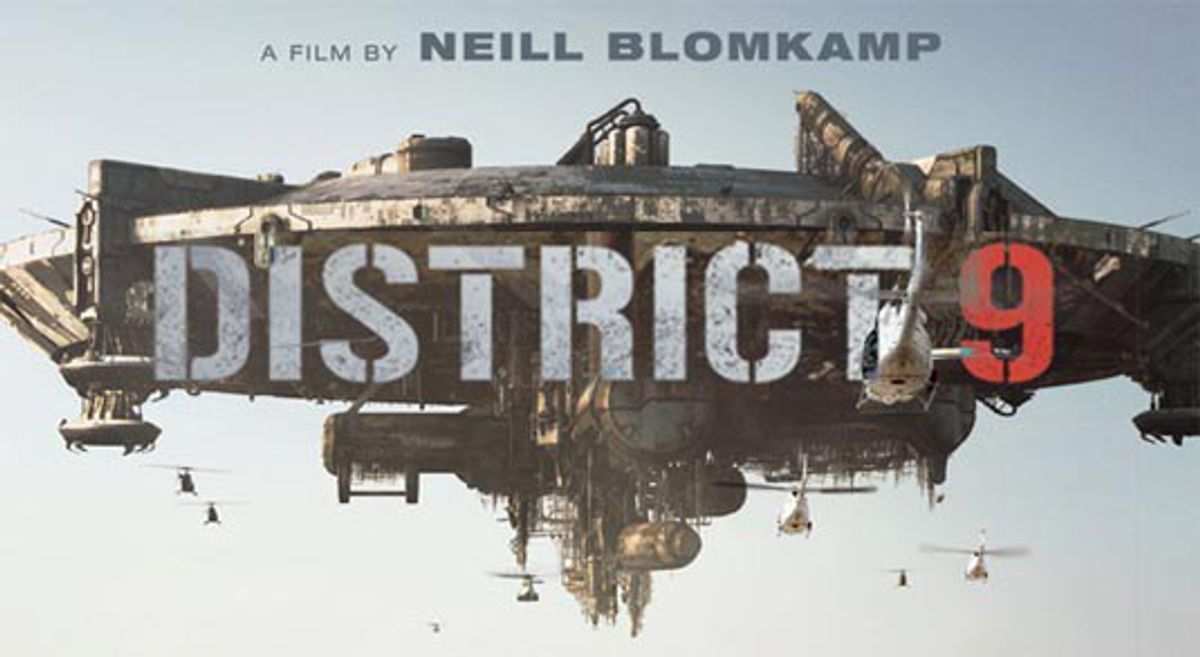
Elysium (2013) brought me here. It’s a decent movie that doesn’t really fulfill its initial promise, and Jodie Foster’s dreadful impression of Christine Lagarde is just embarrassing (why did this happen?). But the wildly entertaining histrionics of Sharlto Copley were enough to lure me to District 9. He is mesmerising in it and his transformation into something resembling a human being (by weirdly becoming an alien) is a shocker. But it’s not just the out-of-nowhere star turn, it’s everything. The style – this may be the only time that a found-footage aesthetic works in a film – the action, the boldness with which the picture realises the potential of its premise and runs with it, how a Predator-lookalike alien can be a fully-fledged character.
District Six actually happened. It’s movies, aye, but they say art imitates life.
I should have seen this a decade ago. But I have no regrets. A 5/5 movie.
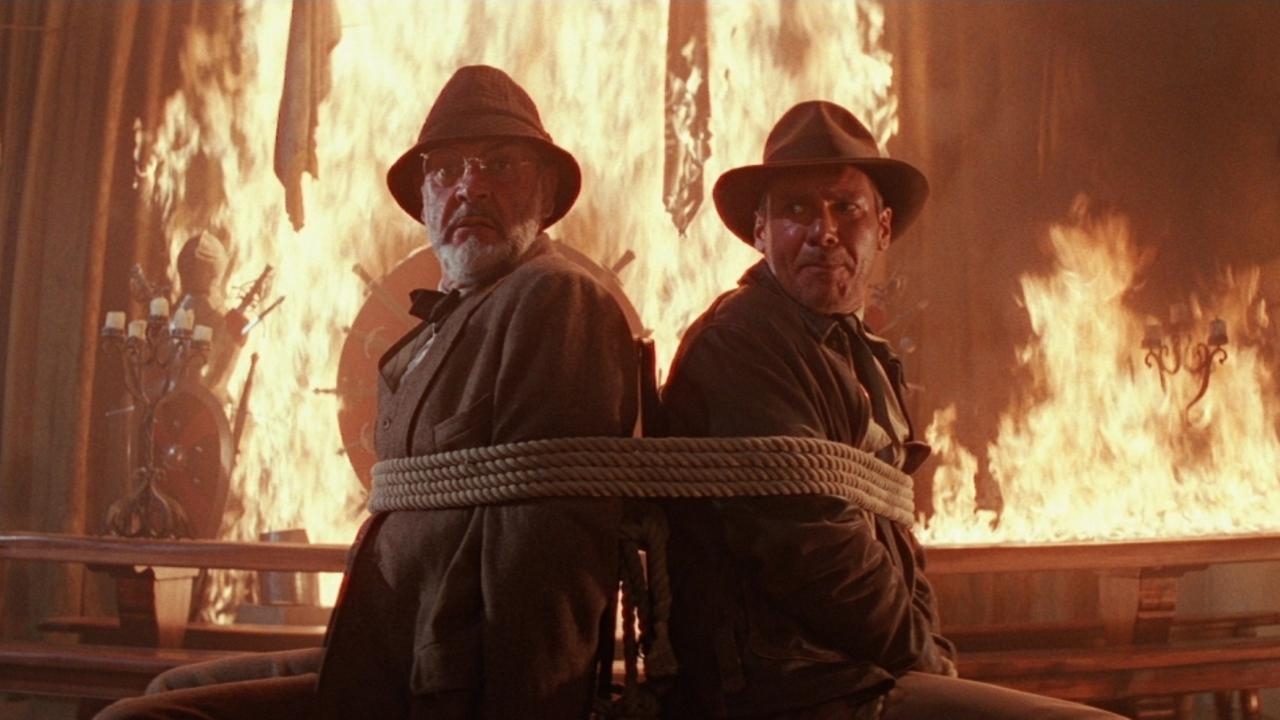
The chemistry between Ford and Connery is magical and even if the other components weren’t there, it would still be a memorable film because of the relationship. However, the prologue is still fabulous. Donovan’s ultra-ageing after sipping from the gold cup is still nightmare worthy. The action is still fast and inventive. It’s such a relentlessly entertaining yarn, and even the bad guys have something about them. The SS lad somehow rocked up in Braveheart (1995) and … of all things, Corrie Street as a member of the Gail Platt outfit. And Grange Hill’s Mr. Bronson plays Hitler here.














 Wanderings and ... wonderings.