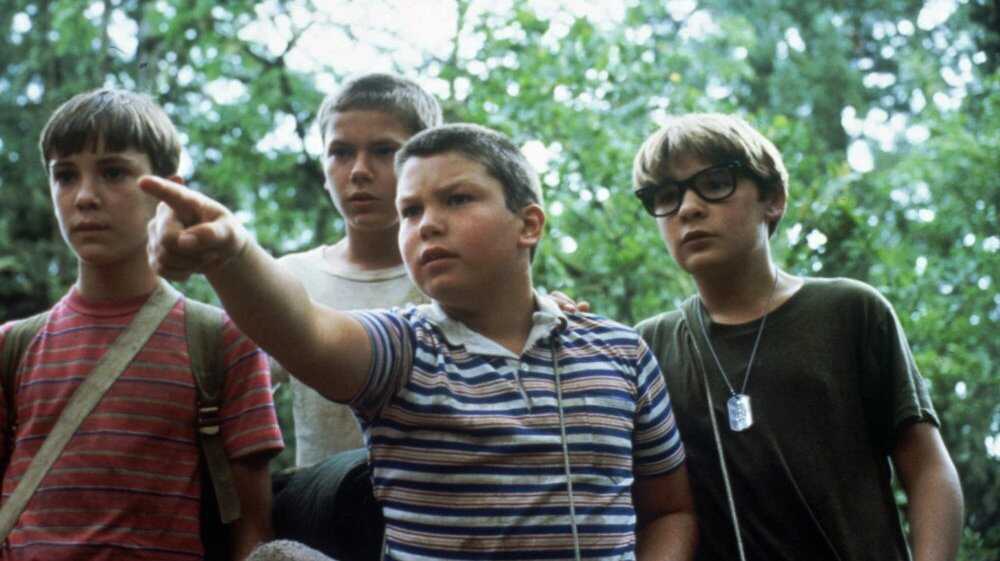
And it’s not even good, not a smidgen of “timeless classic” going on, another nostalgia viewing regret.
I don’t understand the point of any of it, or why they are even trying to find the body (the “we’ll be heroes” motivation makes no sense). The voice over is entirely unnecessary, each schematic vignette increasingly dull, and the direction heavy handed and tepid.
I simply wasn’t buying it, my annoyance at the characters’ antics only matched by the disappointment I had in myself for watching their needy antics despite being bored shitless.
Not my generation’s star man, which was Zidane, the ‘Original’ Ronaldo, and then latterly CR7 and Messi. I will still maintain that Cristiano Ronaldo over the broad spectrum of his career is the greatest football player of all time, yet Maradona at his peak from 1984-’89 was playing the beautiful game from another planet.
I don’t think anyone has ever had an impact on a World Cup as he did in 1986. He was not just an attacking midfielder with five decisive assists and goals, which is an astonishing feat in itself; he was a talisman, a wee warrior, a leader, and was hard as fuck. If you watch the matches again he dominates every one of them, carrying an average team over the line each time.
This was back in the day when the ‘art’ of defending consisted of trying to break legs. Coaches would drill it into the centre-backs before kick-off – it was legalised GBH. How he managed to make it through games beguiles me, even more so with the artistry on display after being booted up and down the pitch for 90 mins.
One in a million, and if he were playing the modern game with today’s diet, nutrition, sports science bonanza (and protection from referees) he’d be on an iron throne with a fat cigar in his mouth.
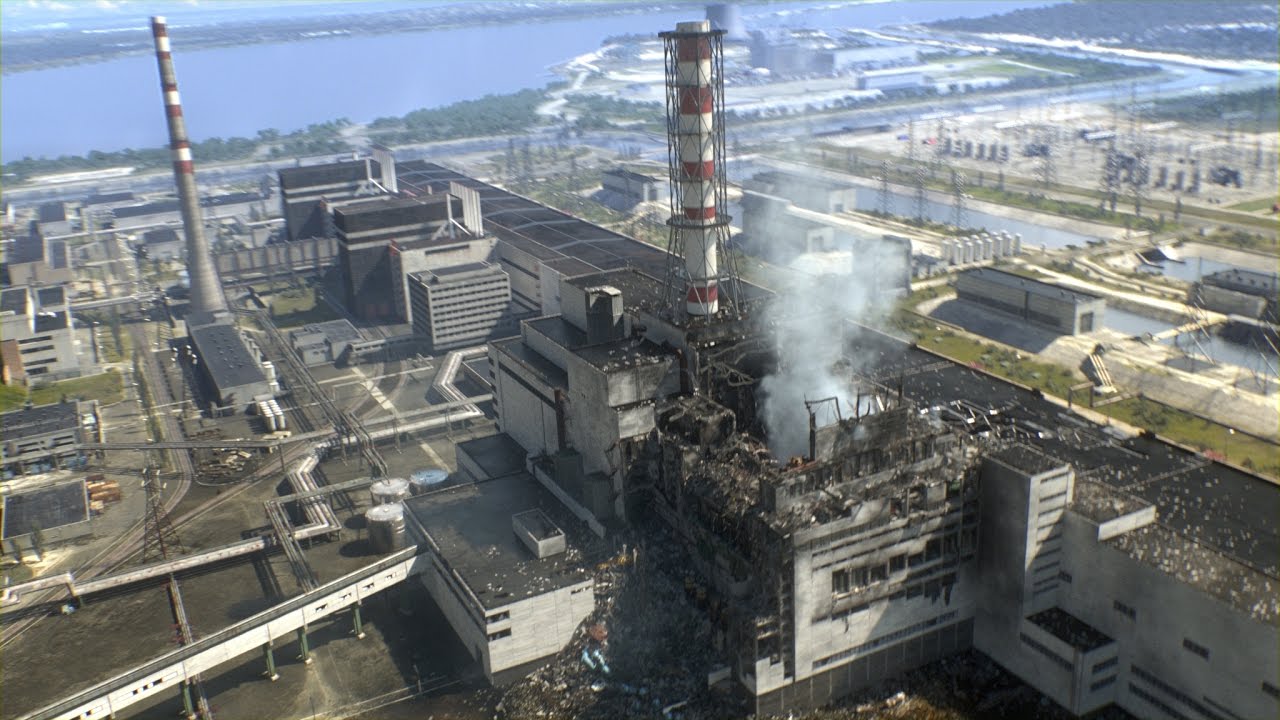
Shot in Fabijoniškės, Lithuania, this 5-episode mini-series by HBO is a cracker so far (one episode in). It puzzles me how there’s not, to my knowledge, been a major TV series or film about Chernobyl until now. One wouldn’t expect this would come from the Russian slice of the former Soviet Union, but you’d think Ukraine (its ‘western-oriented’ regions) would have put something together.
Documentaries have been galore, the main theme that the disaster was indicative of the pitfalls of communism, and a metaphor for the swift end of the USSR in the Gorbachev era of glasnost and perestroika.
This is mind-blowing, though, a real-life 28 Days Later (2002) with wild animals replacing the ‘infected’:
I know a good lad I met in Budapest, a fellow traveller named Paul. He’s the only person I’ve met who’s wandered into Pripyat’s Zone of Alienation with a Geiger counter. I have an epic image of him strolling about in a Walter White biohazard suit, with a beer hat atop the garb.


 Wanderings and ... wonderings.