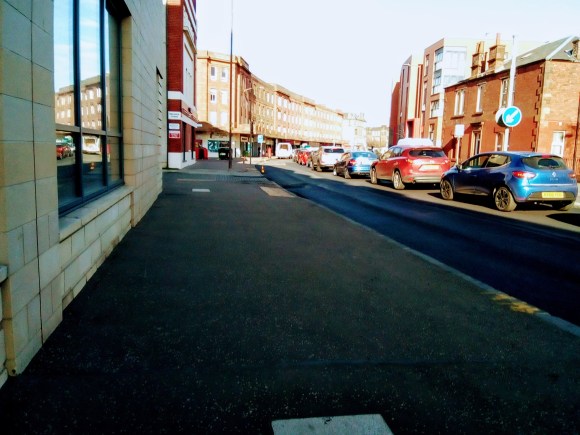
A snippet from Jean-Luc Godard’s Weekend (1967) came to Gorgie today. An eerie stillness, a surreal chav-free mise en scène. And one car was blasting out ‘The Boys of Summer’.
Traffic jams aren’t always rotten.
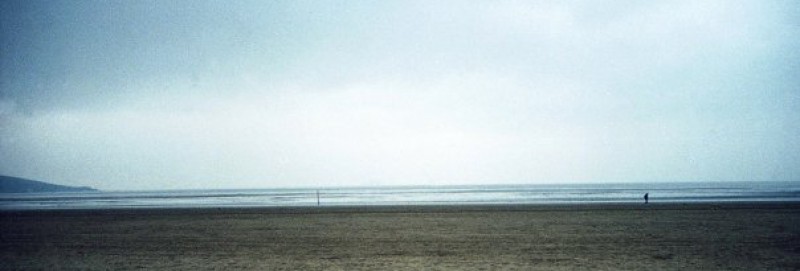
A snippet from Jean-Luc Godard’s Weekend (1967) came to Gorgie today. An eerie stillness, a surreal chav-free mise en scène. And one car was blasting out ‘The Boys of Summer’.
Traffic jams aren’t always rotten.
A shitty wee movie I have made. Uploading the beast took longer than making the actual thing (seven hours of shooting). The sound ‘design’ is fucking awful, but some of the visuals look decent.
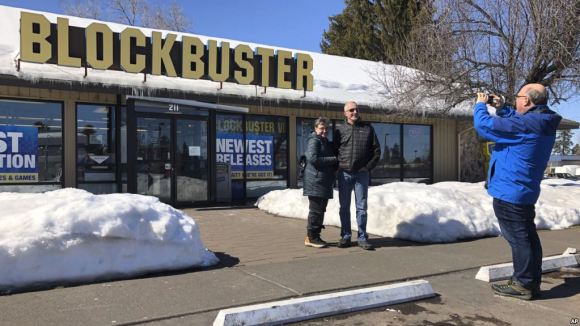
Bend, Oregon, houses the last remaining Blockbuster, defeated foe of Amazon and Netflix.
I can see this store becoming a sort of movie Mecca of the future, nostalgia in the present. And there should be just one of them, perhaps the only reason to ever visit Oregon. When Blockbuster ‘died’ I confess I wasn’t bothered. It’s only a few years down the line that you come to lament the absence of such treats.
Blockbuster was ‘da bomb’ back in the day, the Friday night Shangri-La – purveyor of movies and nibbles after a week of school tedium. Granted, there was an annoying element to proceedings, this the desk clerk who, when he didn’t believe he was Auld Reekie’s version of Quentin Tarantino, went into full SS Guard-mode if you didn’t rewind a VHS rental of Rush Hour (1998). It was for the most part a haven, though, and coupled with Edinburgh’s car boot sales a perfect introduction to film.
The internet is of course sublime (you don’t even have to leave the house and speak to anyone) but Blockbuster was where geeks congregated, our own wee social and cinema club. My old beloved Blockbuster in Gorgie has tragically metamorphosed into a Costa Coffee frequented by polo-necked creatures. Gentrification and all that.

Gorgie Road’s Blockbuster, now a hipster hangout.
Further reading:
https://learningenglish.voanews.com/a/oregon-will-have-the-last-blockbuster-on-earth-/4836210.html
https://www.pressherald.com/2019/03/18/this-is-what-its-like-inside-the-last-blockbuster-on-earth/

What an experience this spin-off was.
I first saw the Wolfgang Peterson stunner (1981) in April 2000, purchasing the VHS tape with The Phantom Menace (1999) in HMV, Princes Street. I had no idea what it was about but the movie was £4.99 and Empire magazine called it scintillating in a retrospective. The writer wasn’t wrong, unlike their four-star review of the Jar Jar Binks fiasco.
The movie works within the most claustrophobic milieu of pre-Nuclear warfare. It was apolitical, much like the Kriegsmarine’s attempts to portray themselves after the conflict, this despite them nonchalantly torpedoing ship after ship.
This reboot more expansively amplifies upon the rampant extremism of the submariners, their appropriation of ideology as an alternative to the Allies’ eventual superior resources and sound tactics. There are also thriller elements, La Rochelle, home of the U-boat pens, the backdrop to French Resistance efforts to disrupt the German occupation. This place also has a special meaning for me: on a French exchange trip the police chased us around the town centre because one of our party set off a firework in a gift shop. Ah, the memories.
That score as well, used in both the film and this masterwork. Oaft.
Further reading:

Many of us have been guilty of the ultimate faux pas when it comes to ‘adulting’ (or one’s departure from it). Yes, the selfie, the pursuit the Snowflake and Y2K lot get up to. The folk who partake in such behaviour are usually the tossers who acquire Gameboy watches or sit in cafes bashing thoughts into a rusty typewriter when they have a perfectly operational laptop at home. “Working hard,” is the caption, the image a flipped shot of a checkered shirt and scruffy beard holding aloft a smug face you want to clobber with a shovel.
The selfie goes way back, though. Way, way back. Some might consider the earlier examples art forms due to their self-reflexive dimensions and knowing playfulness.
Joseph Ducreux, for example. Well, it’s a painting we’re talking about but … ‘life-like’, a self-portrait but premonition to a selfie future. And the bloke became a meme. He also looks like Emperor Palpatine.

Portrait de l’artiste sous les traits d’un moqueur.
Or the inimitable snap from/of Robert Cornelius, a self-portrait from 1839 and quite possibly the world’s first portraiture.
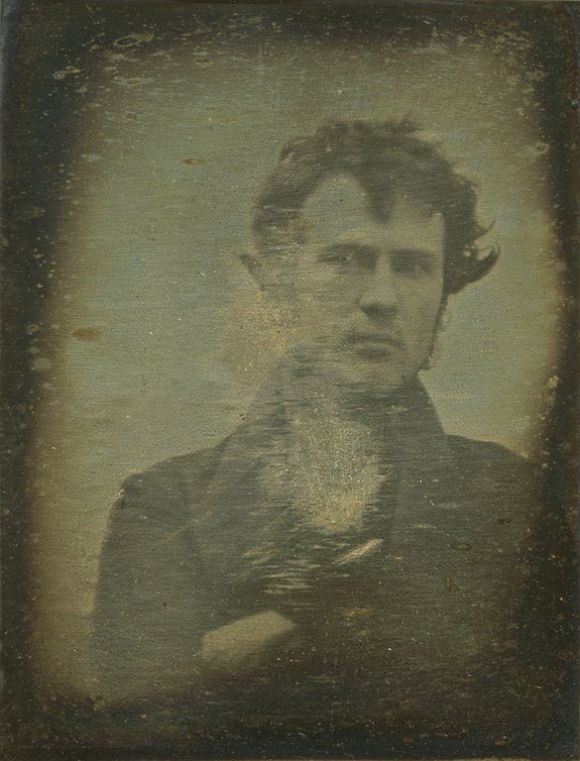
The selfie is the need to be *in* the world and be seen to be so, evidence of ownership and the experience, though there have been stories of folk photoshopping backdrops into their snaps.
I experience a certain sense of shame every time I succumb to the zeitgeist. All the delicate painstaking effort Ansel Adams put into a single snap and here I am posing with a bottle of Coke Zero in a budget airline departure lounge. There’s that classic meme featuring Neil Armstrong and a random lassie in a bathroom. Sums it up, really.
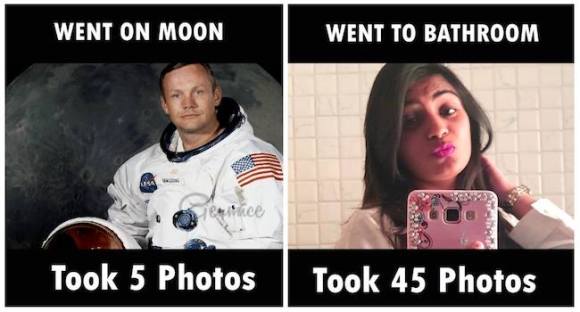
I am forever reminded of Travis Bickle staring in the mirror, the definitive portrait of solipsistic absorption.
I’m off to take a selfie with the cat.
Further reading:

A bit disappointed in Creed II (2018). Not that the Rocky movies didn’t regurgitate the same stale stuff (accidental alliteration) over and over and over, but the OTT formula worked for the majority of chapters in the franchise. My personal ranking is: Rocky, Rocky II, Rocky IV, Rocky Balboa, Rocky III, Creed, and the total shitstorm that is Rocky V, a movie that is clearly mentally ill.
Sadly, this new episode is also rubbish. Stallone is basically the same ‘will = win’ verbatim figure as always – every line he spews out is Rocky Balboa (2006) and Creed (2015) put through a Microsoft Word thesaurus – but seems totally out of sync with the the hip hop Kendrick Lamar-soundtracked reboot surroundings. He’s an incredibly boring actor at times, and he sleepwalks through this.
And there’s not enough Drago. There are so many opportunities to develop dimensions in this character, but they are wasted. He remains a one-note villain, a snarling mute who may as well be a brick wall.
However, seeing Brigitte Nielsen look like a pancake chucked in acid was a highlight. Something out of a Brazil (1985) facelift, it’s the only item of curiosity in the snoozefest.
There is no reason for this movie to exist.
Bye for now.
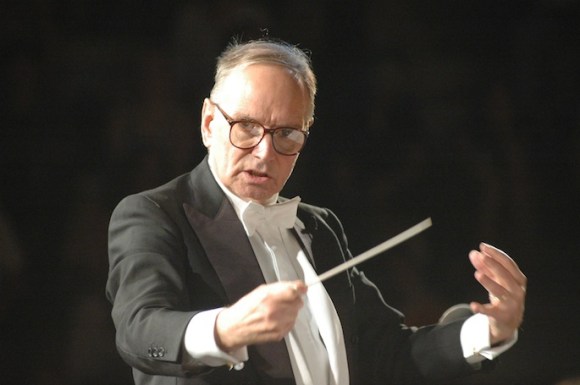 I first heard Ennio Morricone emanating from a dusty 4:3 TV in 1999. It was quite the introduction. For a Few Dollars More (1965) was on and I must confess it was the music that sucked me in rather than the story; I’d simply never heard of anything even remotely like it before. These days, on a Saturday afternoon attempting to trot off flab from a surfeit of Friday night booze, I on occasion find myself panting past our local Edinburgh prison to the very same maestro whom I ‘met’ in ’99, The Mission (1986) theme carrying me to the finish line.

Claudia Cardinale in Once Upon a Time in the West (1968).
The Italian’s music is synonymous with American cinema, just as his friend, compatriot and collaborator Sergio Leone is in the vanguard of Americana. Looking back at those Leone masterworks, seldom has music so perfectly been synced to visuals. And it is telling to know that the score was indeed played on set and the shots aligned to its rhythm.
His final live performances have arrived this year. I hate to say ‘swansong’ but one wonders where Morricone continues to muster the energy from at 90 years of age. His upcoming concerts are in Antwerp, Dublin, Verona, and the last showings in June – six nights in a row – at the Terme di Caracalla in Rome. One must truly experience The Ecstasy of Gold at these splendid Roman baths.
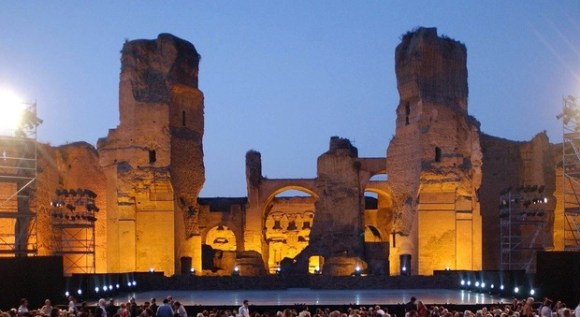
Terme di Caracalla, Rome.
One expects an anthology – this a fucking hell of a task to cherry-pick from over 500 scores – of some of the most operatic and iconic music to have emerged from 20th century cinema. Ennio Morricone is a trooper.
Further reading/viewing:
http://www.enniomorricone.org/events/
https://www.theguardian.com/music/2018/nov/27/ennio-morricone-review-o2-arena-london
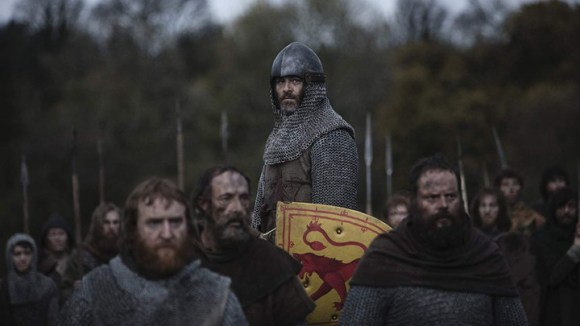 This feature-length Netflix release garnered mixed reviews (63% on Rotten Tomatoes) but I was quite impressed by it. The film doesn’t have the romantic sweep and scope of Braveheart (1995) but it excels in details – its gritty and grim depiction of Medieval warfare and the violent politics at the heart of the Wars of Scottish Independence.
The movie is brooding and deadly serious, and, shockingly, well acted. Chris Pine might just be the only Yank capable of pulling off a half-decent Scots accent. Every previous attempt at a Scottish brogue made by an actor – save Jonny Lee Miller in Trainspotting (1996) – has been disastrous, Groundskeeper Willie in the flesh. Pine thankfully doesn’t go OTT.

There’s no Battle of Bannockburn (1314) here, the movie acting as a sort of Batman Begins-esque ‘making of’ Robert the Bruce, the first act of a broader narrative. It’s decent – no superheroes in capes or one-liners, just chain mail and chopped heads. Proper carnage. The Glory Days.
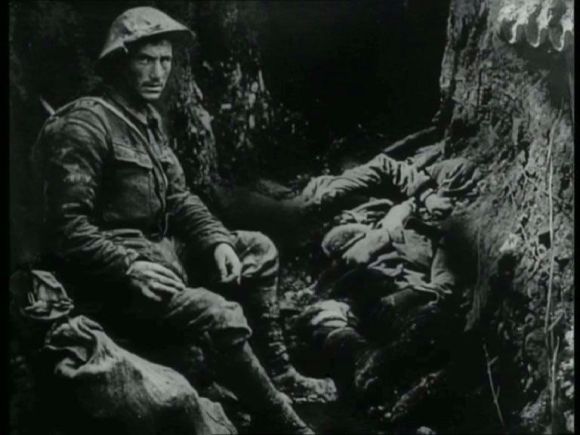
I finally got around to viewing this epic 26-episode series from 1964. It’s an incredible compendium of WWI in all its participants’ hubris and misguided adventurism, and is majestically narrated by Sir Michael Redgrave (this bloke sounds more Laurence Olivier than Laurence Olivier himself).
This is how to do a documentary – with sweeping scope and intricate detail, no half measures. With terrifying archive footage and an expert use of primary sources read by contemporary actors, as well as interviews with those serving on the military and civilian fronts, it set the benchmark for such works, acting as a precursor to The World at War (1973).
The wonders of the Internet ensure it is free to binge-watch.
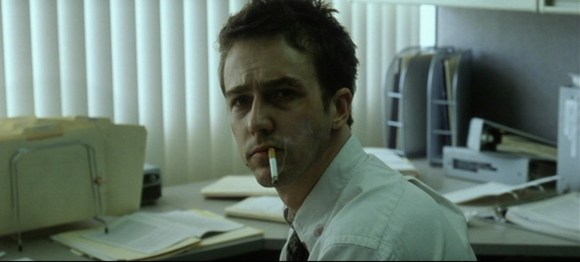
1999 produced some truly cracking movies, dare I say two-in-one arthouse entertainments. They were from the sunny prism of the Clinton-era dot-com bubble, but laden with doom, premonitions of a darker age, and concerned with the very nature of reality itself – its comforting distractions of material consumption and conformism. 9/11 changed everything; apathy was suddenly pummeled. The Y2K bug turned out to be fuck all and instead actual shit hit the fan. These movies – American Beauty, Fight Club, and The Matrix – capture that pre-9/11 unease with elan.
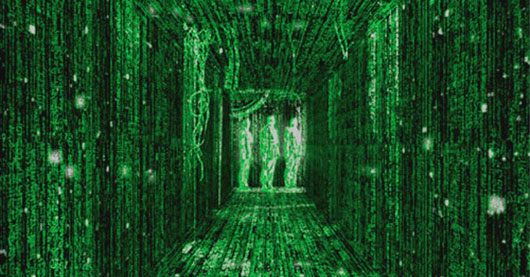
They’re films of their era yet transcend the age because of the superior artistry on display. It’s not exactly fashionable today to laud the acting chops of Kevin Spacey, but he is superior in American Beauty, middle-aged melancholy defined as he squirms his way around suburban hell. The Matrix heralded a new dawn in special effects – bullet time and all that – yet was also one of the first pictures to probe with caution the digital landscape, 20 years before possessing a talking robot called Alexa was considered a normal pursuit.
In Fight Club, peculiarly a flop at the time (the pitfalls of bad marketing, they say) we find an Americana in the throes of an existential meltdown, angst-ridden males looking for something to fight for, a purpose or quest, amidst the dreariness of normalcy. Every generation needs a war.
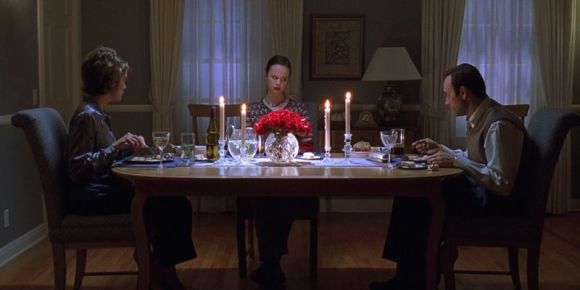
Though products of corporations, American Beauty, Fight Club, and The Matrix do not hesitate to bite the proverbial hand that feeds. There is a deep skepticism and paranoia running through them, that of the office as enslavement and deindividuation, the Michel Foucault Panopticon theme quite rampant. There’s also the sanguine at work here, that with mental and physical self-sacrifice and by disconnecting oneself from the cultural hegemony there is light, self-awareness, … happiness.
Further reading:
https://www.theguardian.com/technology/2015/jul/23/panopticon-digital-surveillance-jeremy-bentham
https://geekswipe.net/art/films/how-matrix-bullet-time-works/
 Wanderings and ... wonderings.