Because it’s not just a Bond film. It’s actually about something other than tropes and ticking boxes. I often hear the mantra, “Folk only love it because it ties in with the N64 game.” It’s a decent proposition for an argument but misses the point – the game is also amazing yet they don’t depend on each other.
Goldeneye (1995) is so well crafted, so correctly paced, so … frankly strange. The Eric Serra score is implausible yet it somehow works. Perhaps the gargantuan gap (world events) between 1989 and 1995 was for the best, because this picture at times even becomes about that End of History theme. And the villain is the only one you can take seriously in the entire cannon of Bonds. Everything 006 does seems plausible and he brings out the best in 007.
An introduction to Wang Chung could not be scripted, but here we all are. It’s such a great movie to the extent that I am impressed with the soundtrack; the music choices are usually embarrassing with these pictures and I suppose the ’80s are mostly like that. Manhunter (1986) springs to mind as an example, a film that approaches implosion through the worst possible jukebox selections.
This oozes seductive style, Los Angeles a sun-blitzed glossy furnace of cops and criminals. Friedkin has, in spite of his occasional forays into turkeys, always understood the need to carve out a credible world for the narrative and impose a vision on the environment. So few directors appear to care for how their movies look; they are merely the point-and-shoot variety. This bloke, though, has a handle on the material. And the detail without being overbearing.
And the car chase in the film is another rarity; like Friedkin’s own The French Connection (1971), it’s backed up by actual character motivation. Apparently, one of the most recent Fast & Furious … things raked in a billion. The production cast and crew shut down half of Edinburgh a few years back with their silly antics. It will no doubt make a fortune, yet To Live and Die in L.A. (1985) recouped a pittance.
The official narrative is that Get Shorty (1995) fits into the vanguard of that John Travolta mid-’90s comeback which lasted all the way until Battlefield Earth (2000). I’ve never seen the latter but hear it’s atrocious; it’s on my list.
Get Shorty is wildly entertaining, if not especially revelatory about its subject matter, nor does it offer anything new. It’s an exercise in style and the merits of characterisation, amusing without being particularly laugh-out-loud funny. Most of the fun derives from watching Chili Palmer charm his way into the movie business and outwit everyone else. He doesn’t really know what he’s doing but appears to. There’s a lot to be said for that.
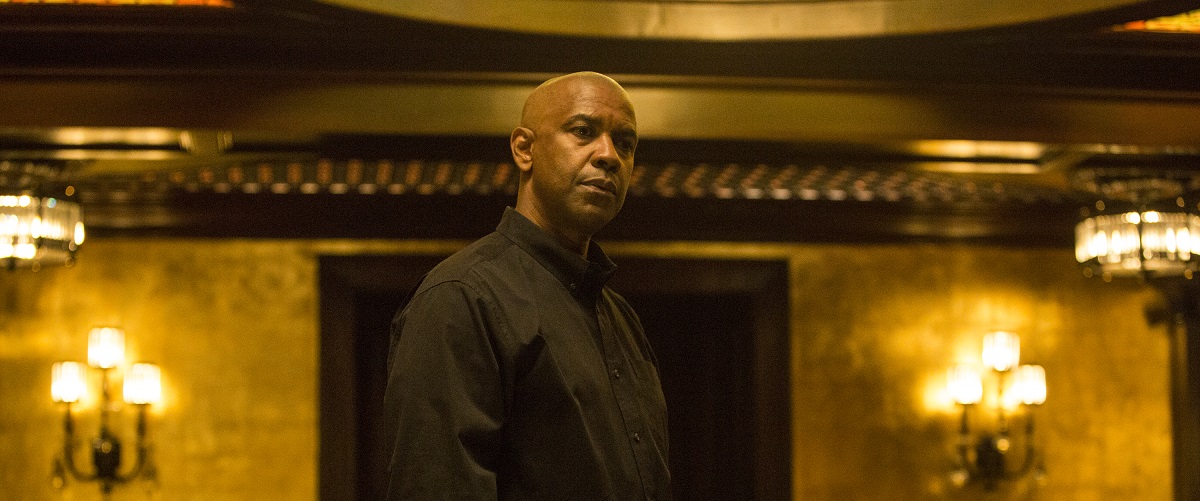
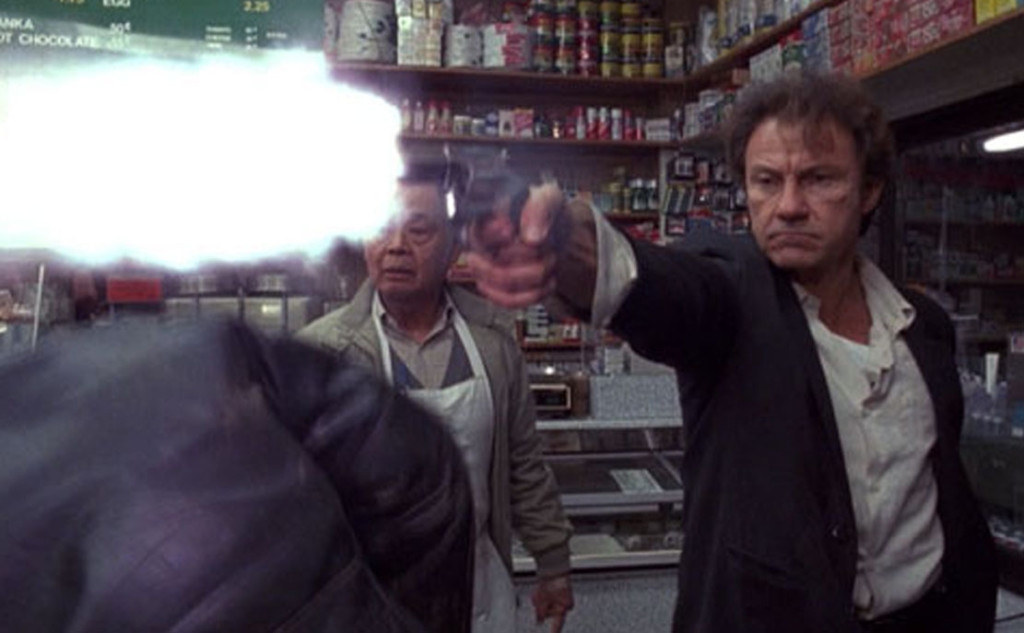
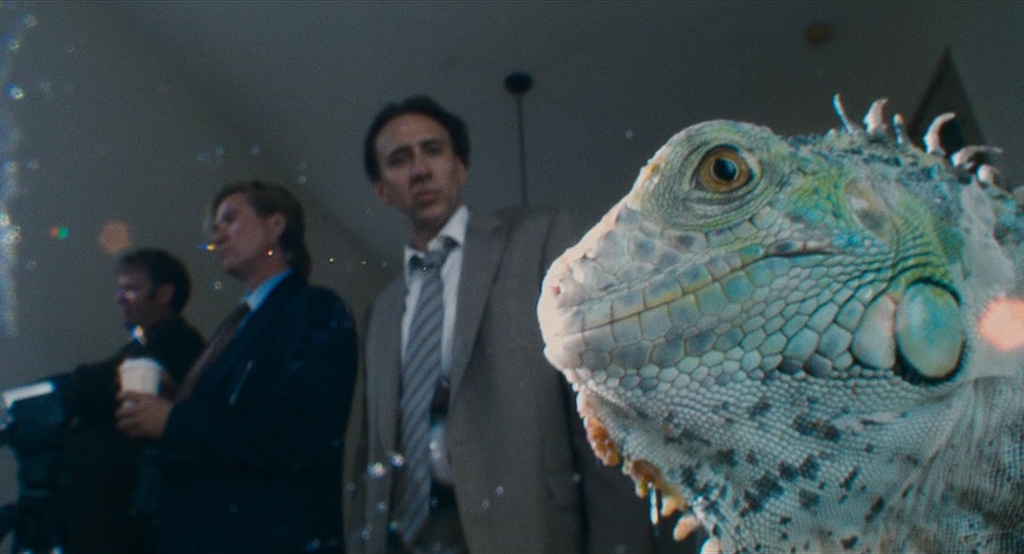
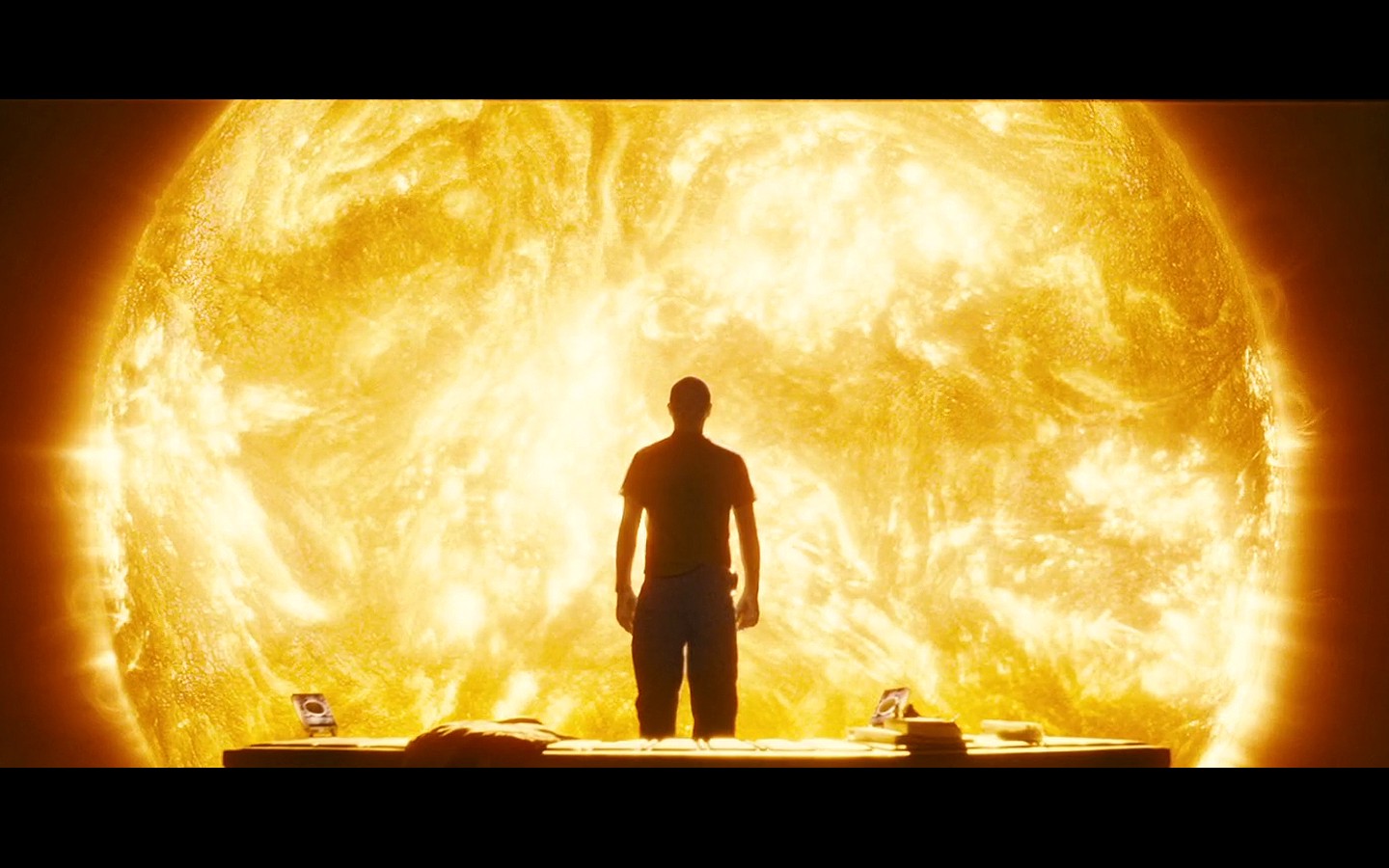
And Gene Hackman, once again, is superb. He really wasn’t (he’s apparently retired now) afraid to play the ‘loser type’ despite being your definition of the macho male. It’s almost uncomfortable witnessing his antics here, especially his attempts to play the hard man to Dennis Farina’s Miami mobster.
And this is disturbing – back in the olden days when you took photos to Boots to be developed there will have been someone like Seymour “Sy” Parrish (Williams’ protagonist) inspecting your every shot, vicariously living his (it’s usually a creepy bloke) life through yours. I read a story years ago about some wee creep phoning the cops because he spotted a cannabis plant in the backdrop of a photo. How dignified.
Robin Williams is the business. We all knew he was hilarious yet his ‘serious roles’ really do demonstrate that he was an actor of the highest calibre, though comedy is acting too. He was in Christopher Nolan’s Insomnia (2002) in the same year and he’s creepy as fuck in that as well. It was a creepy year.
It’s your classic HBO series that deals with the upper echelons and the gutter, the senate and the Aventine, Caesar, Pompey, Mark Anthony, Octavian – Roman Republic to Empire and buttressed perfectly by the characters Lucius Vorenus and Titus Pullo, these based on two centurions mentioned in Caesar’s Commentaries on the Gallic War. James Purefoy especially excels here as the dashing and charismatic Anthony. He’s Bond material (he did actually audition twice for the role and almost got it).
Rome doesn’t skirt from the depravity, the rituals and religious sacrifices of the era, and the creative use of naughty language is funny as hell. It succeeds so well at building a world and bringing that period to life, but these people also talk like we do; there’s none of this long-winded theatricality to the wordplay. The spectacle and ambition of the show is unrivalled for its time. The first season is nigh on perfection yet the second so very rushed; they were clearly tying everything together and trying to end the story in a satisfying way.
Apparently they just didn’t have the money to make any more of them which is a shame because it’s rather great.
You standard old-fashioned wartime thriller which acts as a serviceable but inferior companion piece to The Day of the Jackal (1973), you’re aware of the outcome but the suspense is in getting there. Unfortunately, the exposition in this one is intriguing enough but by the halfway point it’s a snore. And then Larry Hagman appears as an inexperienced American colonel and it descends into silly comedy which I suspect today wouldn’t survive a pre-production script cull; we all know assassination attempts are no laughing matter.
Thank the heavens for Donald Sutherland. This is another case of Donald Sutherland being hired because only he can play a Donald Sutherland type. He’s fabulously nuts in everything and his career appears to be a personal mission in walking off with the movie. His supporting roles always suppose a spin-off picture with him at the fore. He even made the stinker that is Virus (1999) almost bearable.
I was in my relative infancy when this shitstorm happened and I still struggle putting it together in 2021. In essence, a lot of greedy folk got very greedy and fucked the whole economic foundations of the world, and governments in almost every country – mostly your alleged left-wing or centre parties trying to get big business on their sides – let it happen.
The setting is clearly Lehman Brothers but I think it’s a bit too kind on them as there are folk in this, boardroom members, with consciences, albeit they still tow the line. It’s riveting drama, a movie with such tense exchanges they are gripping even if you don’t understand what the characters are referring to. You’d need a glossary at times if it weren’t for the Zachary Quinto character who thankfully acts as a conduit to the financial layman amongst us.
There are few histrionics, mainly just rational, coldly logical decisions based on the almighty $ and it’s chilling. You get the scene with the cleaner in the lift oblivious to how the blokes in the foreground are about to crash the system and somewhere down the line she is going to get shafted, i.e., end up paying for it, yet she did her job. It’s never polemical in the Oliver Stone sense, and it isn’t a stylistically razzmatazz event. And it’s Kevin Spacey’s last great film role. He is pure Spacey here and I’m not going to get into the legal stuff because I … will, like all filmgoers, never know the facts. But it’s a shame he departed.
Trying to relate this to a reality I can understand: this Irishman living in the States and his rant for the ages.
This film is pretty much unique in its mastery of tone, a sense that you really don’t know whether it’s a drama or a comedy or where it’s going – it’s almost two or three genres in one and it’s informative to read the director’s quote about how they managed to achieve this no small feat: ‘With Grosse Pointe Blank I shot three movies simultaneously. We shot the script as written, we shot a mildly understated version, and we shot a completely over-the-top version, which usually was what was used.’
There’s a sweeping theme here of trying to recapture something that was never really there in the first place, the most thoughtful treatment of nostalgia ever to feature in what is ostensibly a comedy with gunfights. Only a peak John Cusack – the only ’80s geek to graduate to the postmodern – could carry it off. And as High School reunions go, ‘Mirror in the Bathroom’ should accompany each event:
A flawless movie. Even Dan Aykroyd is great in it and I generally cannot stand the lad.
I’ve never seen it in the cinema, which is a personal and public tragedy considering the following have been witnessed to a munching of popcorn and the intake of a sneaked-in batch of Blue WKDs: a Transformers movie, a crime-against-humanity Predator crapper, Cuba Gooding Jr. looking after kids, the list goes on and on.
The weirdest protagonist to ever feature in a movie of this kind. For 1962 it’s crazy the stuff on display – his sadomasochism and homosexual leanings, the rampant ego for a hero, his being a conduit for others’ ambitions, a conflicted symbol of British Imperialism, a puppet and a master. You have to read a bit about the context of the depicted period and ’60s Britain to understand the movie beyond its sheer scope and spectacle, the beauty of every frame. It’s also one of the few examples of the great man theory of history actually being given the full treatment. This bloke was certainly someone special yet David Lean in no way kowtows to the legend.
There is not a single female character because there simply weren’t any in the story. These days you’d have a token love interest or a signposted lesbian (or whatever) operating field artillery from the back of a camel. It’s what separates then from now. The insertion of silly politics into storytelling will be the death knell of this genre. I also imagine today we’d be subjected to a CGI bonanza replete with a script dumber than ….Wait a minute, Peter O’Toole was in Troy (2004) and that horrible film pretty much defines the post-Gladiator (2000) historical epic barren landscape.
This one-of-a-kind experience, though, can’t even be emulated. It’s a journey, a narrative about a hundred different things, even stuff you project onto by convincing yourself that’s what that scene means. For me, it’s always been about losing your marbles in an unfamiliar land and taking it back home with you for the banter and the scrapbook.
My favourite scene: the wondrous Claude Rains running his pinky across the table to inspect the dust on it. It’s so subtle and hilarious and just incredible. I am praying for a cinema release. The intermission, that bonkers sequence of black with Maurice Jarre’s bombastic score from the outer regions of audacity, that’s where I’ll sip my Blue WKD.