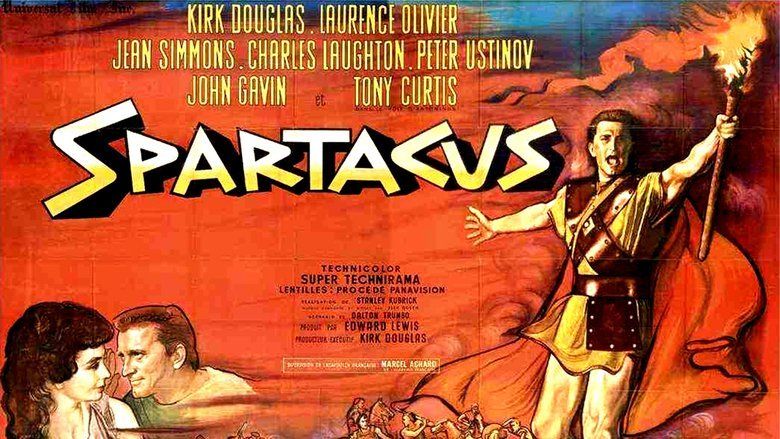
It’s still relevant because the story is universal and it’s by far the best directed and scripted of the historical epics, most of which are hackneyed affairs and wholly painful to watch. Aside from the Anthony Mann opening sequence, you can see the emergence of Kubrick’s style all over the picture despite the official record that he was constantly bickering with Kirk Douglas and screenwriter Dalton Trumbo. It also features perhaps the best ensemble of British acting talent from that era, Olivier, Ustinov, and Laughton showing the Americans how it’s done. Indeed, it’s almost a bit embarrassing viewing Douglas and Tony Curtis try and hold their own with the peerless Laurence Olivier; they appear awed by his presence.
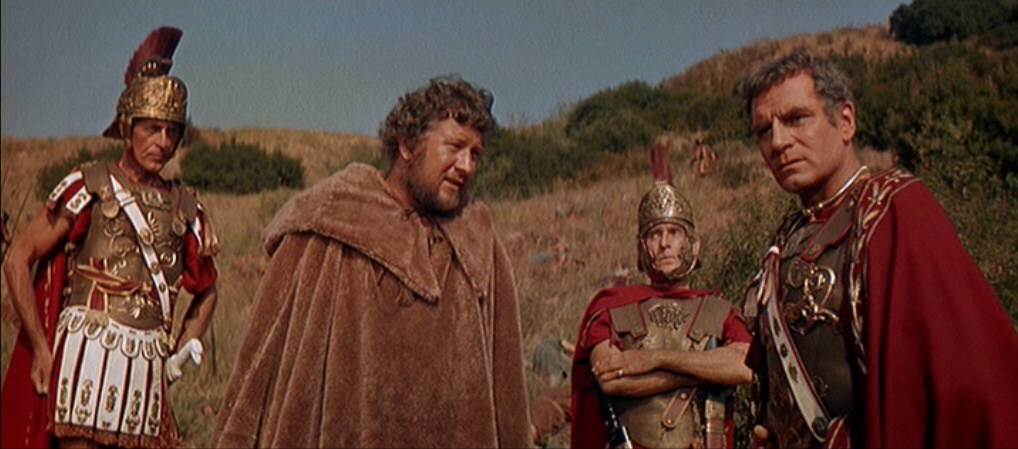
His Crassus is a nasty fucker, but as always with Olivier he injects the ‘bad guy’ with layers and you can see where he’s coming from in what he does. His rivalry with Charles Laughton’s Senator Gracchus perfectly parallels the rebellion, and there’s a simple but historical truth to the outcome: order and dictatorship over anarchy every time. Special mention to Peter Ustinov who provides a chuckle in every scene, an obsequious slave-trader character usually bemused by proceedings.
Not bad battle stuff, either.
 Wanderings and ... wonderings.