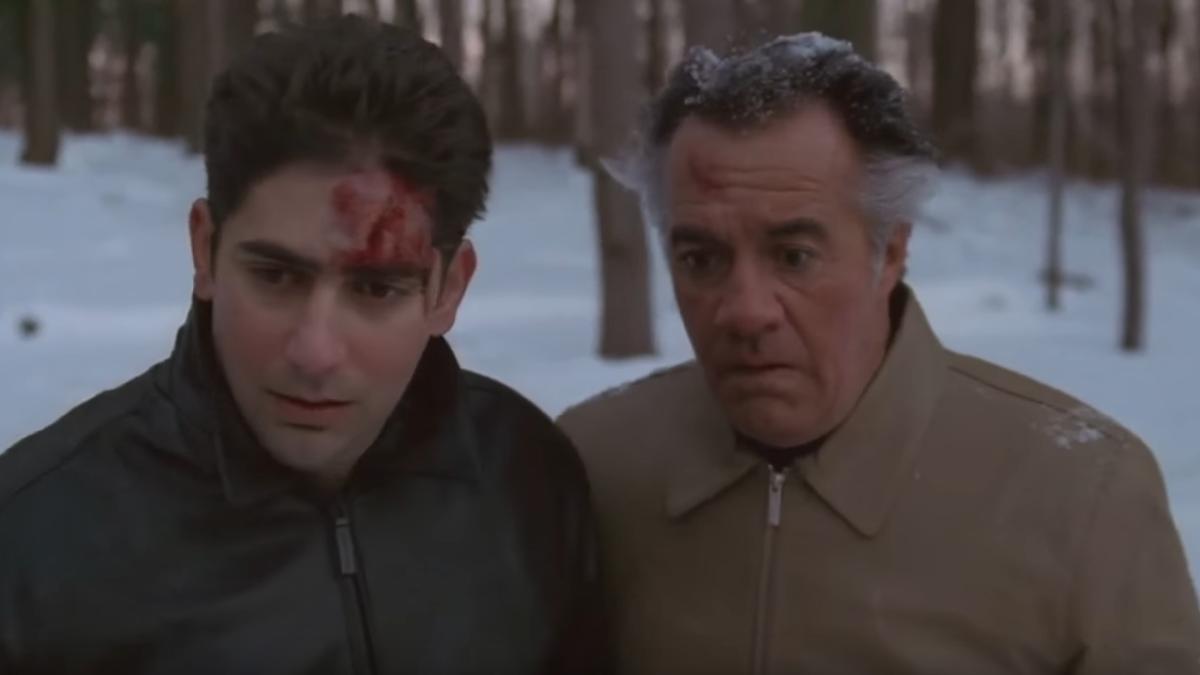
The funniest episode of any show ever. It’s not just the quotes but the brilliance of the situation. Big-shot mafia goons go a few miles outside of their comfort zone and they don’t know what to do.
They get lost and almost die in a two-mile stretch of woods. Useless/hopeless/pointless individuals. That’s the genius of the writing.
The episodes are rammed with so much slapstick comedy you can’t take any of this seriously. The scenarios are frankly ridiculous and there is something desperate about it all with the weak psycho babble.
We also have to tolerate the constant silly references to gangster movies and even have to put up with Silvio Dante’s Michael Corleone quotes which his goon associates (everyone in it is a goon) appear to find rib-splittingly hilarious. It’s not funny on any level. It’s embarrassing watching these actors attempt to act amused.
You’re looking at something made in 1999; I suppose TV at the time was a lot different back then and The Sopranos was a benchmark in terms of onscreen violence and bringing a cinematic feel to the small screen, but the first season is very cartoon-like and childish by today’s standards. The later seasons are a different show altogether, intrinsically more mature and less juvenile. And about something.
John Heard is something else in this show; he imbues corrupt cop Vin Makazian with so many layers you wish he was a regular. We are introduced to him pissing in a bush outside of a nursing home. That’s how you do it. He was nominated for an Emmy for this. He should have won it. He never really got the best career considering his talents. It’s another case of what might have been.
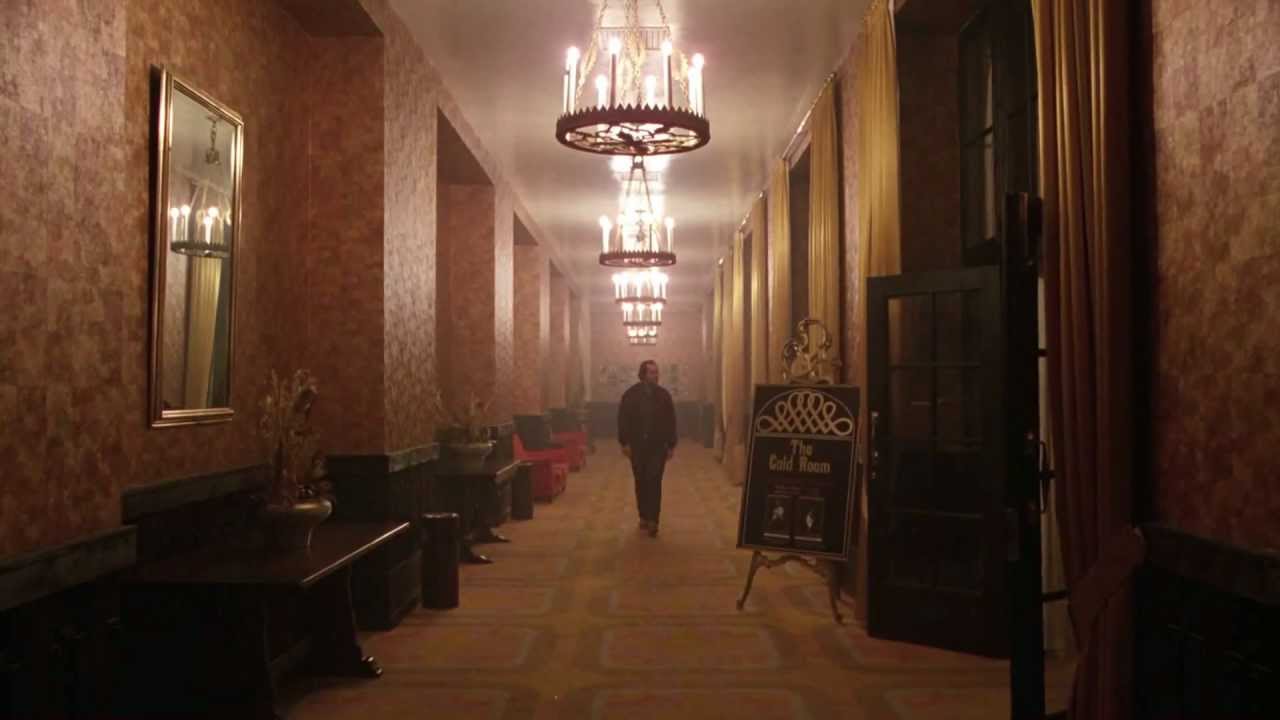
The most famous ‘hotel movie’ The Shining (1980) is your archetypal man-goes-nuts-in-a-secluded-dwelling picture, but it’s more of a supernaturally themed flick than one in which the collective predilection for accommodation alienation is expressed.
The Overlook Hotel.
The trailblazing TV series The Sopranos (1999-2007) may be famed for its stark violence and deadly black humour, but it had in some of its more audacious episodes an outlandish preoccupation with the metaphysical. Issues of mental health and modern existential malaise permeate its edges, these usually expressed through dream sequences, and Tony’s bouts of extreme depression and anxiety often the MacGuffin for major mid-season game-changers.
When Uncle Junior shoots Tony, the latter (on a hospital bed lingering between life and death) takes us through the most ridiculous, and eventually moving episode of the entire show. As shamelessly evil as this glib character is, one can’t help but feel empathy for what might have been. Moreover, ‘Join the Club’ is one of the few uses of location in any TV series (or film) to manifest a psychological feeling, the flashing lights in the distance a beacon of a world he can’t reach but just sorely wishes to. This is the hotel as total isolation, as if Tony were Robinson Crusoe in a sleek 21st century inn.
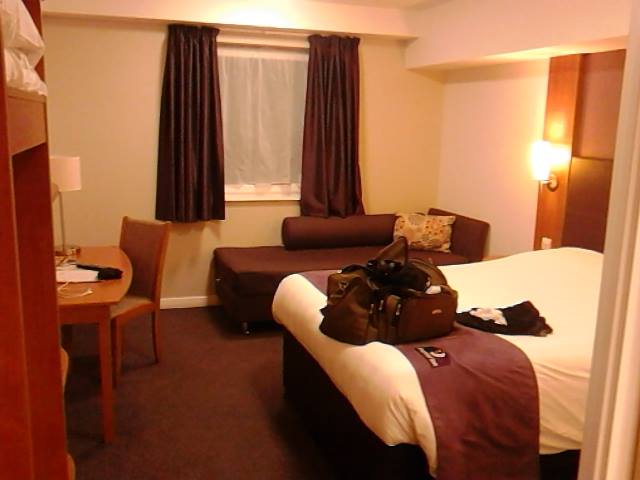
The episode reminded me of one night at a Stansted Airport hotel en route to Ljubljana, Slovenia. The check-in process consisted of typing a code into a Skynet vending machine. The only person I saw was a 6:00 a.m. cleaner doing her thing. Perhaps it was because I was on a twilight motorway, the highlights passing cars and a 24/7 Shell garage, that the situation had a Michael Mann feel to it. As I hit the hay in this cold, faux high-tech room, I wondered the drama were it my destiny to depart in a midnight layover servicing a budget airlines hub.
A stone’s throw from Stansted Airport.
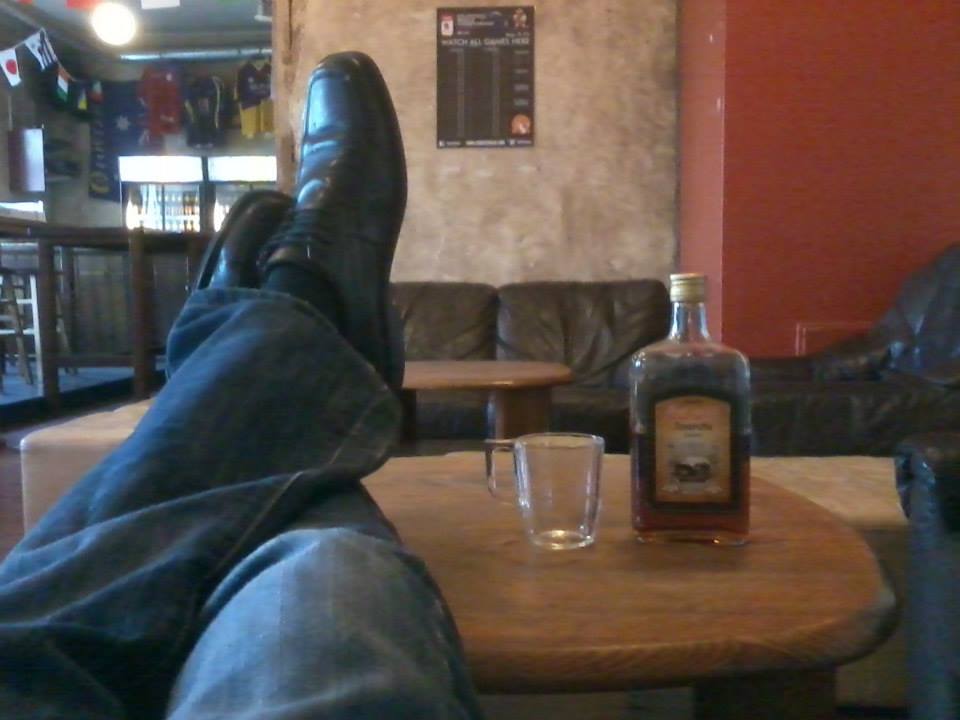
Ah, the deserted hostel bar in Riga, Latvia. I sat on my hoop here guzzling a bottle of amaretto. I believe I spent the best part of the day defragging the laptop. Not a sentient being in sight, but I wasn’t bothered.
Gathering my thoughts about Black Balsam in Riga.
When you travel solo feelings are amplified – joy, elation, depression, loneliness. It’s whether one can handle the solitude or not, the autonomy of it all. The no-man’s-land moments have always retained more relevance to me than a riotous party or a bonkers pub crawl. I find the memories more lasting, as if a deep meditation had occurred.
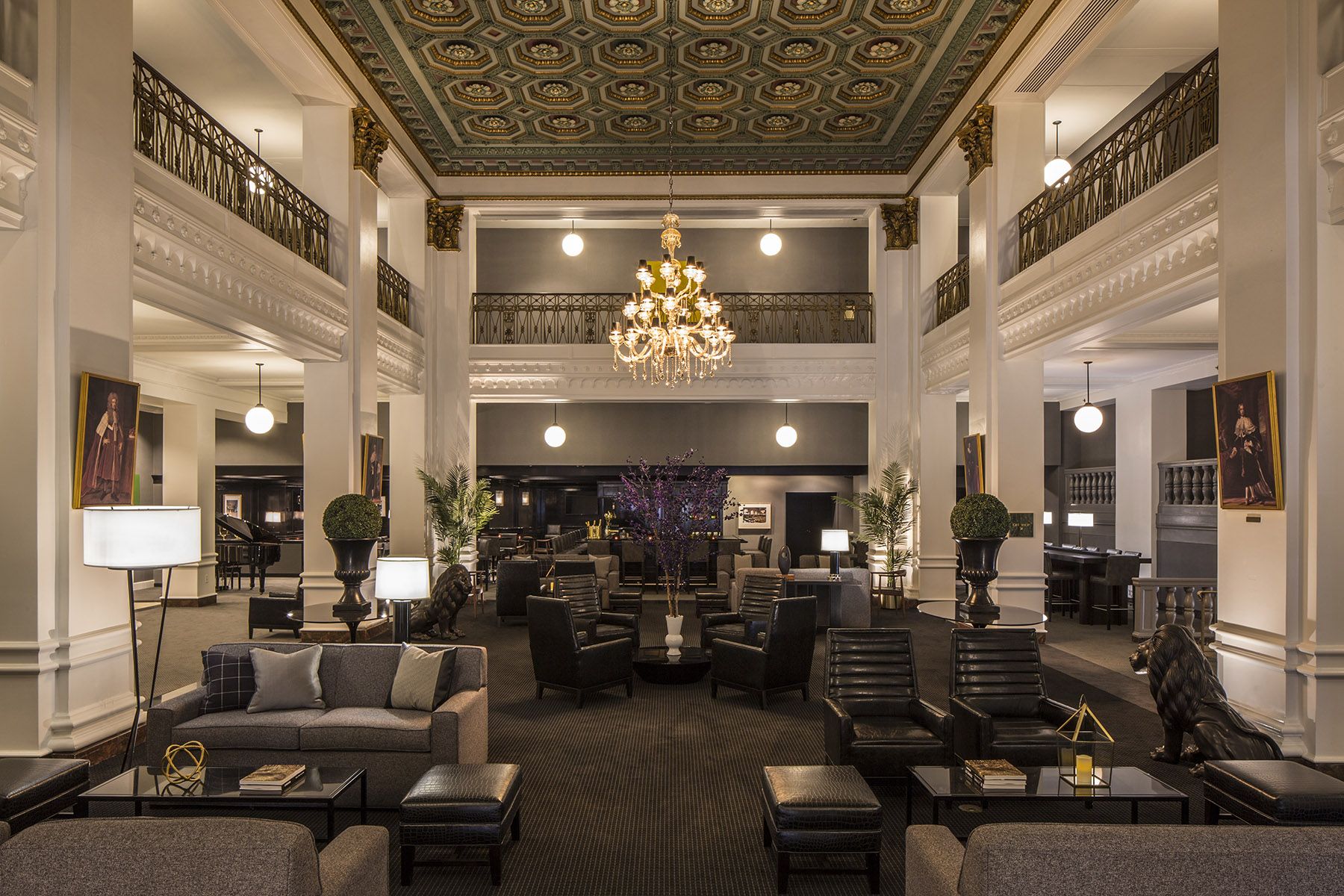
Lord Baltimore Hotel, Baltimore.
N.B. Michelangelo Antonioni should have shot a trilogy of films entirely within a hotel (The Ritz Trilogy).
From as far back as I can remember … I always thought highly of Frank Vincent.
He just dominated scenes, even if his appearances in films were fleeting. He was the archetypal ‘heavy’ because he looked the part so well, but he had a gravelly charisma that was so natural it elevated him above his character actor peers. His violent interactions with Joe Pesci are his legacy:
In Raging Bull (1980) Joe Pesci repeatedly slams a car window into his noggin.
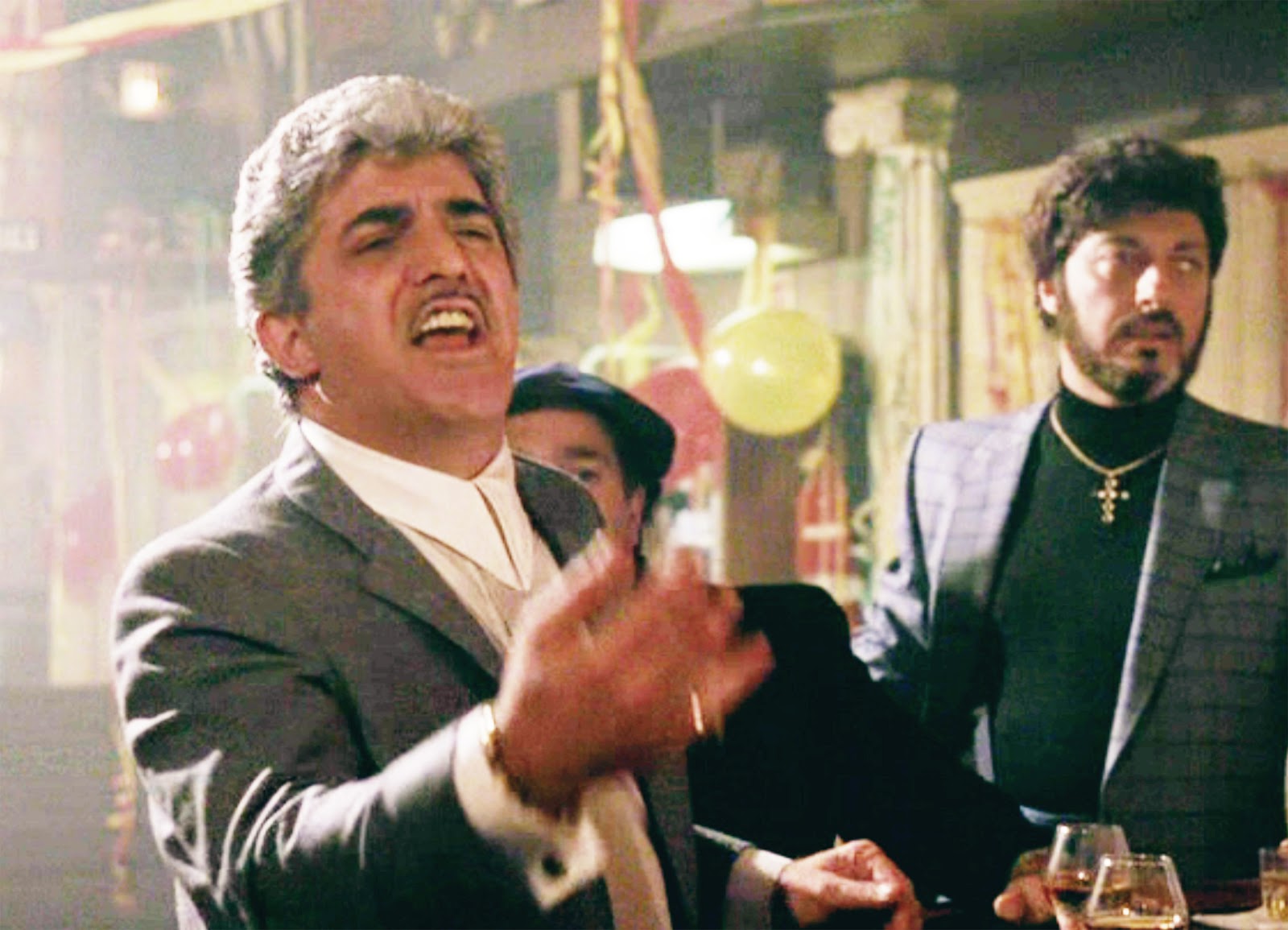
In Goodfellas (1990) Joe Pesci doesn’t take kindly to being asked to go home for his shine box.
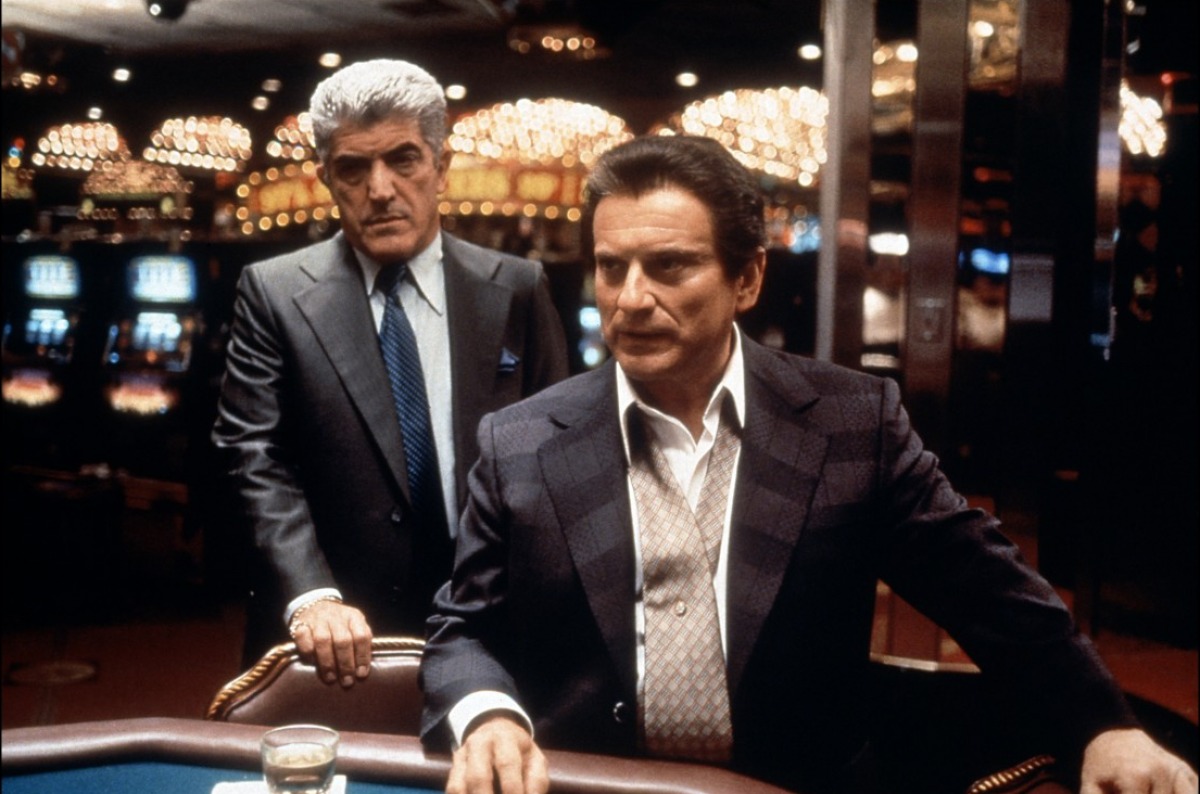
In Casino (1995) Frank Vincent belatedly enacts revenge by burying Joe Pesci alive in a cornfield.
Such were the charming cinematic highlights of my youth.
It was in the final two seasons of The Sopranos, though, that Frank Vincent’s acting chops were finally rewarded with a meatier role. His antagonist Phil Leotardo was the most complex in the show, a tragic combination of envy, hubris, and self-loathing. He should have got an Emmy for his performance.

 Wanderings and ... wonderings.