Kolberg (1945) is frankly bonkers.

The most expensive German film of World War II at eight million marks, and shot between October 1943 to August 1944, this monstrosity depicts the defence of the eponymous fortress town against French troops at the height of the Napoleonic Wars (1807). It’s a kind of metaphor for German fortunes after the failures of Stalingrad and Kursk; with strategic initiative lost, the remainder of the fight on the Eastern Front became a series of attritional, reactive operations with no chance of success.
The extras comprised 187,000 people and 50,000 soldiers, apparently the second-highest cast of all time behind Gandhi (1982).
The city of Kolberg itself was declared a fortress town a mere month after the film’s opening, this consisting of regular showings in Berlin whilst air raids pummelled the capital.
Imagine the ideological fanaticism of a regime that, as ultimate annihilation beckoned, it still felt the need to plough such ludicrous resources into a movie of epic undertaking, resources that could have been of immeasurable human and material value in the war effort. This Nazi-opus Gone with the Wind (1939) just serves to highlight the tenuous grip on reality exhibited in the last years of the Third Reich, and an overbearing emphasis on *will* as the essential component in turning the tide of war.
Further reading:






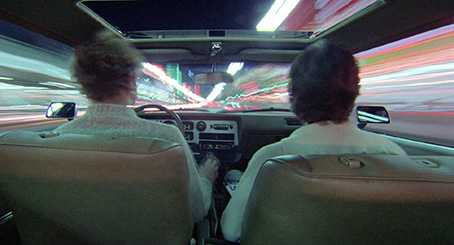 Anyway, my lecturer came, saw, and conquered us philistines. Imagine sticking this bantz on to a class of clueless teenagers in a community college. I was stunned. The movie confirmed that aesthetic perfection could be gleaned from both the grim and the glorious, that mere montage could be both l’art pour l’art and didactic narrative. I struggle to describe this movie to people who haven’t seen it. In the words of that tubby philosopher Laurence Fishburne: ‘You have to see it for yourself.’

